Letter from the Editors #8
.jpg)
Author :

Culture is not merely an object displayed in a museum, a document preserved in an archive, or a staged performance. Culture is a living process — unfolding in movement, sound, materiality, memory, and everyday practice. It is from this perspective that we present the new issue of our magazine, where past and present, archive and living tradition, scholarly research and personal experience meet and intertwine.
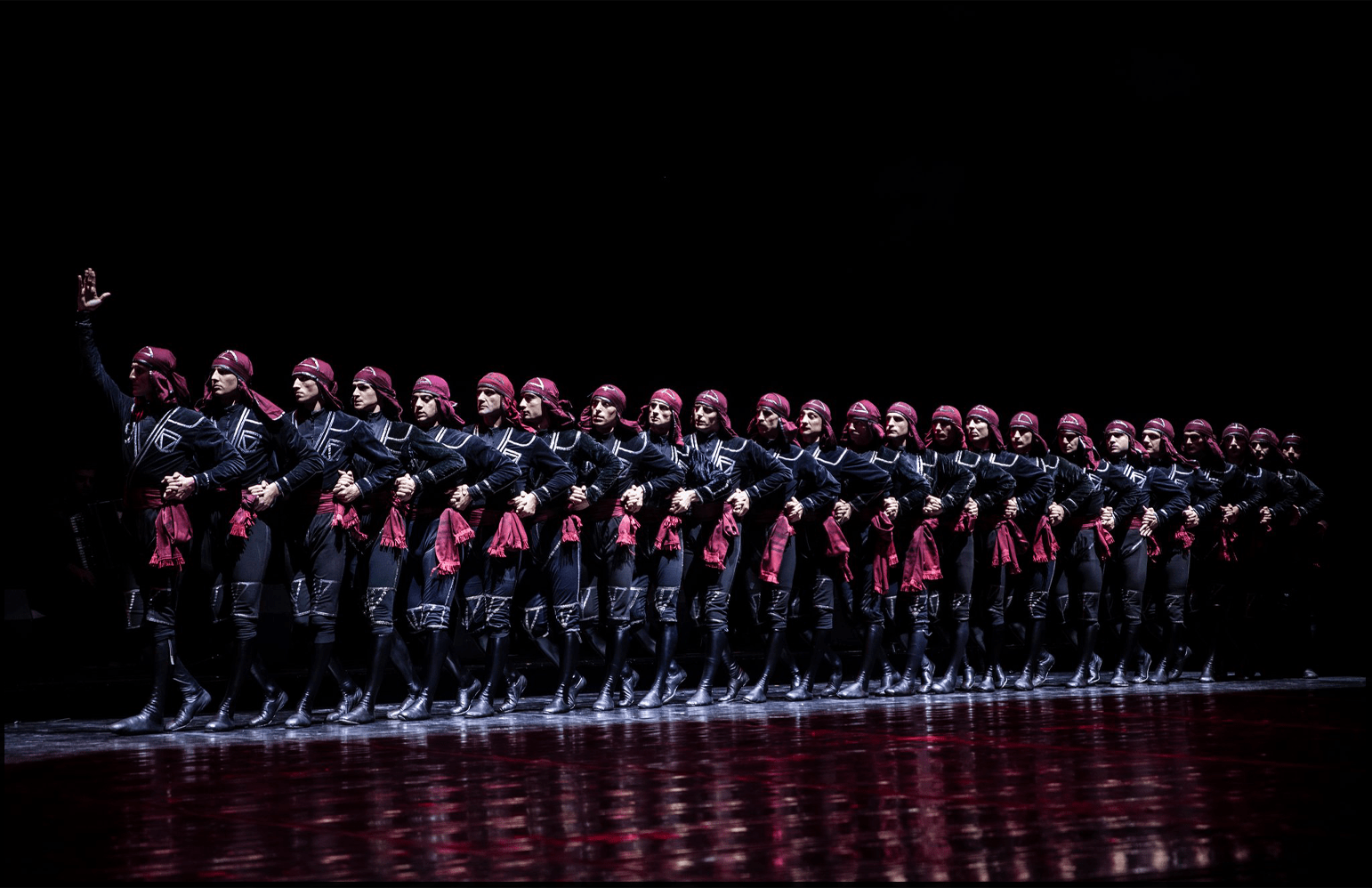
The choreography section features an article by Baia Asieshvili dedicated to one of the founding figures of Georgian choreography, Davit Javrishvili. The author demonstrates how a new national stage language emerged and how choreography became not only an aesthetic spectacle but also a form of cultural self-expression. Javrishvili’s legacy continues to prompt reflection today — where does the boundary between tradition and innovation lie, and how is a “new” tradition created?
The importance of archives and historical memory is explored in an essay by Eter Intskirveli, which introduces a previously unknown love poem by Mikha Khelashvili, discovered in documents from the 1930s. The text not only revives unfamiliar lines of the poet’s melancholic lyricism but also clearly exposes the paradoxes of Soviet censorship and highlights the role of individuals who, despite harsh historical circumstances and at great personal risk, managed to preserve cultural memory.
The theme of material culture continues in an article by Irine Jibuti, which surveys the millennia-long history of Georgian ceramics — from the Neolithic period to contemporary practices. This is a story of clay, craftsmanship, and the transmission of oral knowledge which, despite changing eras and social transformations, has survived as a living tradition and continues to respond to contemporary needs.
In the field of sacred music, Besik Makhatadze’s study takes us into the history of the Kutateladze family of Khoni. Over the course of four generations, the article shows how chant knowledge was transmitted within the family, turning the Kutateladzes’ oral chant tradition into one of the principal sources for the notation of Georgian sacred chants. A particularly rare and noteworthy aspect of the study is its account of a female chanter.
Navigating the labyrinth of belief systems, Nana Sikharulidze’s essay examines the institution of chosenness in the traditions of Eastern Georgia. The author analyses the figure of the kadagi, their functions and responsibilities, as well as the differing practices of mountain and lowland communities, allowing the reader to grasp the complexity and diversity of folk religious experience.
In a global context, reflections of Georgian experience can be found in Matthew Knight’s article on Shape Note singing. This North American singing tradition, owing to its democratic nature, has expanded from a local practice into an international network of enthusiasts. The article makes passing reference to Georgian polyphony, highlighting the unifying potential of music across geographical and cultural boundaries.
The issue concludes with an interview by Sandro Natadze with Marine Mizandari, founder of the National Trust of Georgia. The conversation reveals how personal experience, professional expertise, and civic responsibility can be transformed into tangible action — from the rehabilitation of monuments to the empowerment of local communities. The story of the restoration of the Tsiskarauli Tower vividly illustrates that cultural heritage is not merely about safeguarding the past, but also a foundation for social well-being and the future.
Taken as a whole, the materials presented in this issue once again remind us that culture is not a static given, but a continuous and evolving process.
We would also like to remind our readers that, starting from Issue 7, the articles in our journal are available not only to read but also to listen to — in an online format, at a time and place convenient for you.