The Chanting Dumbadzes
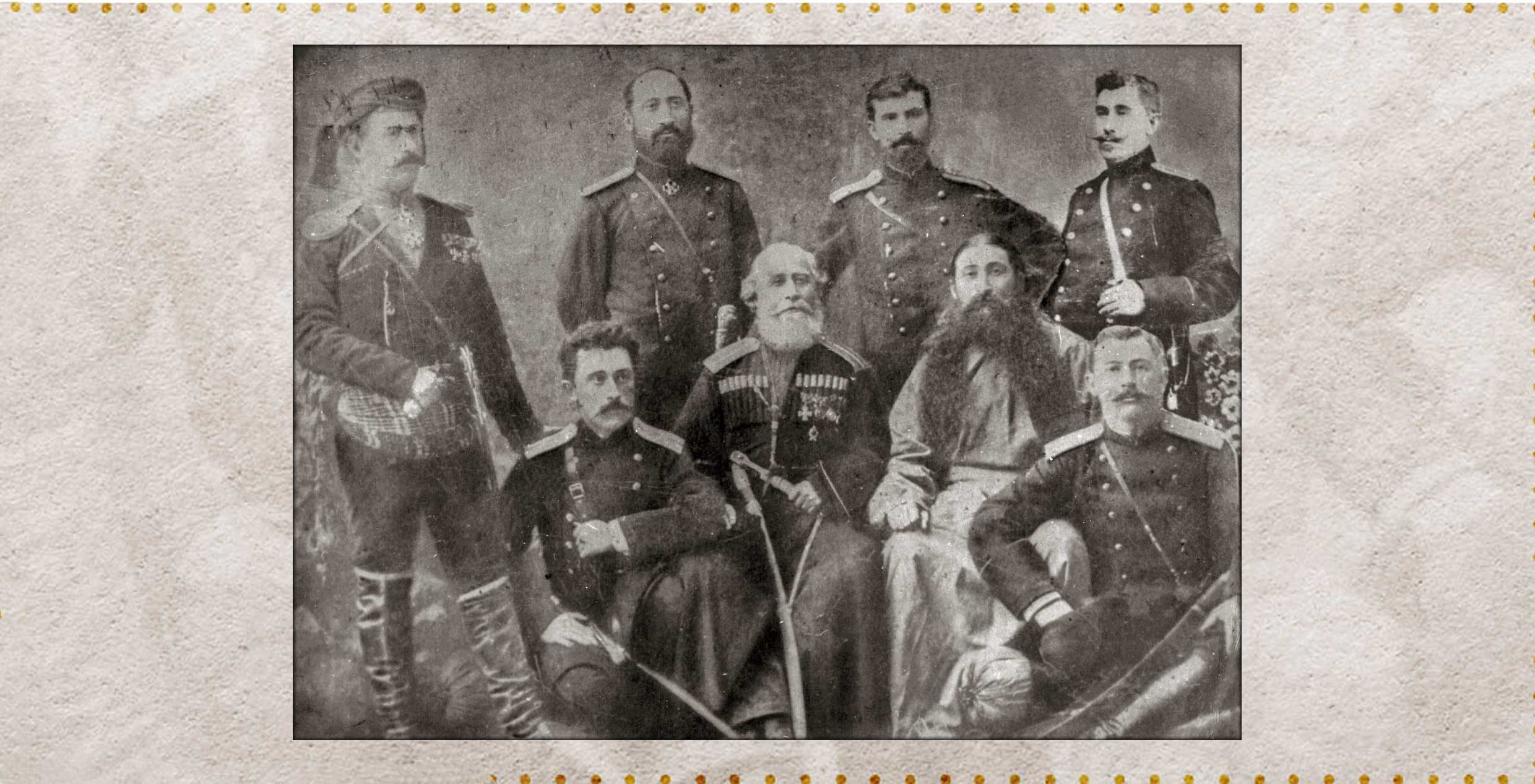
Author :

On 17 June 1893, the renowned opera singer Pilimon Koridze arrived in Ozurgeti.[1] At that time, the railway had not yet been extended to Ozurgeti, so travellers had to cover the journey from Natanebi to the town by carriage. A fisharmonia (harmonium) specially acquired for the Gurian expedition, intended to assist in the notation of Georgian chant, was carefully placed by Pilimon together with his luggage, and he continued on his way.
Thus we may imagine the beginning of a story in which, alongside Pilimon Koridze, the principal characters will be the chanting Dumbadze family, whose musical talent and devotion to Georgian chant will set the main tone of this narrative.
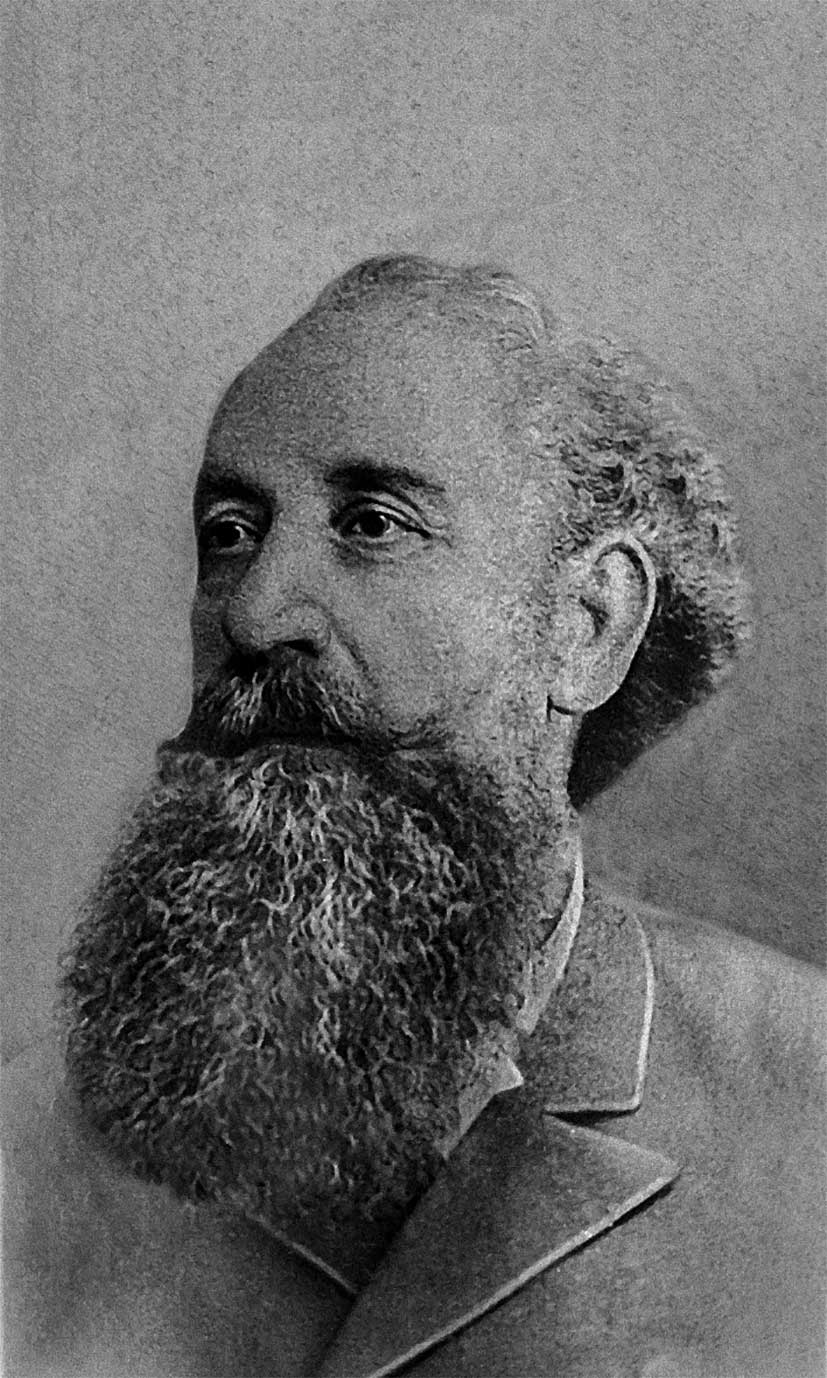 Pilimon Koridze
Koridze's arrival in Ozurgeti marked the beginning of his cultural mission. On 16 June, Ilia Chavchavadze's newspaper Iveria wrote that the fate of Georgian chant would be decided by the meeting of two men. On one side stood Koridze, who had left La Scala; on the other – Anton Dumbadze, the renowned Gurian chanter and military man, whose wish was to preserve this tradition in living form.[2]
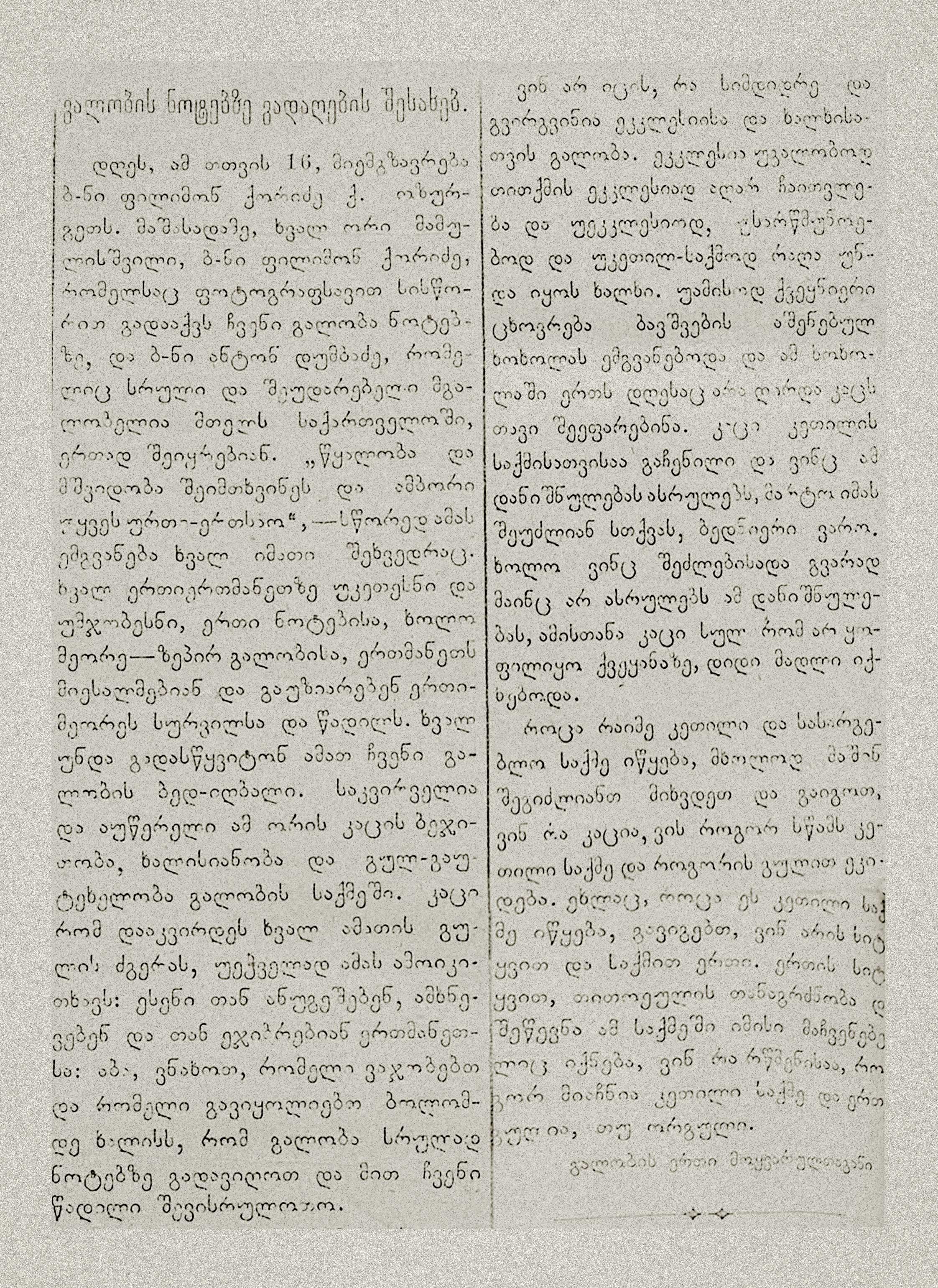
Iveria newspaper. 1893, No. 125
Pilimon Koridze's biography is a remarkable phenomenon. He abandoned a successful operatic career in order to devote his entire life to the transcription of Georgian chant. His decision was surely not a matter of professional choice alone. In that era, devotion to the idea of protecting national heritage characterised many public figures.
Pilimon had begun transcribing Georgian chant into musical notation several years earlier. He would demonstrate to the Gurian chanters Melkisedek Nakashidze and Nestor Kontridze, at their homes, at the piano, how a melody sung by the human voice could be rendered through an instrument. At the time, ecclesiastical and cultural circles understood that, under the restrictions imposed by the Russian Empire on Georgian statehood and church governance, the preservation of Georgian chant was not merely a matter needed for liturgical practice, but one of the chief pillars of national identity.
It was therefore unsurprising that Gabriel Kikodze, Bishop of Imereti, agreed to Pilimon's request and invited him to Kutaisi to discuss the future of chant. This support proved important for Pilimon's work. In Kutaisi the bishop gathered the leading chanters of the time – Jaba and Telemak Gurieli, Melkisedek Nakashidze, Nestor Kontridze, Dimitri Chalaganidze, Niko Medzmariashvili, Nikoloz Kandelaki, Razhden Khundadze, Tarasi Tkeshelashvili, Ivliane Shotadze, Archpriest Vasil Kutateladze, and other renowned masters. It was in this very circle that Pilimon met Anton Dumbadze. Pilimon's labour soon bore fruit. The notated Order of the Divine Liturgy of St John Chrysostom was printed in 1895.[3]
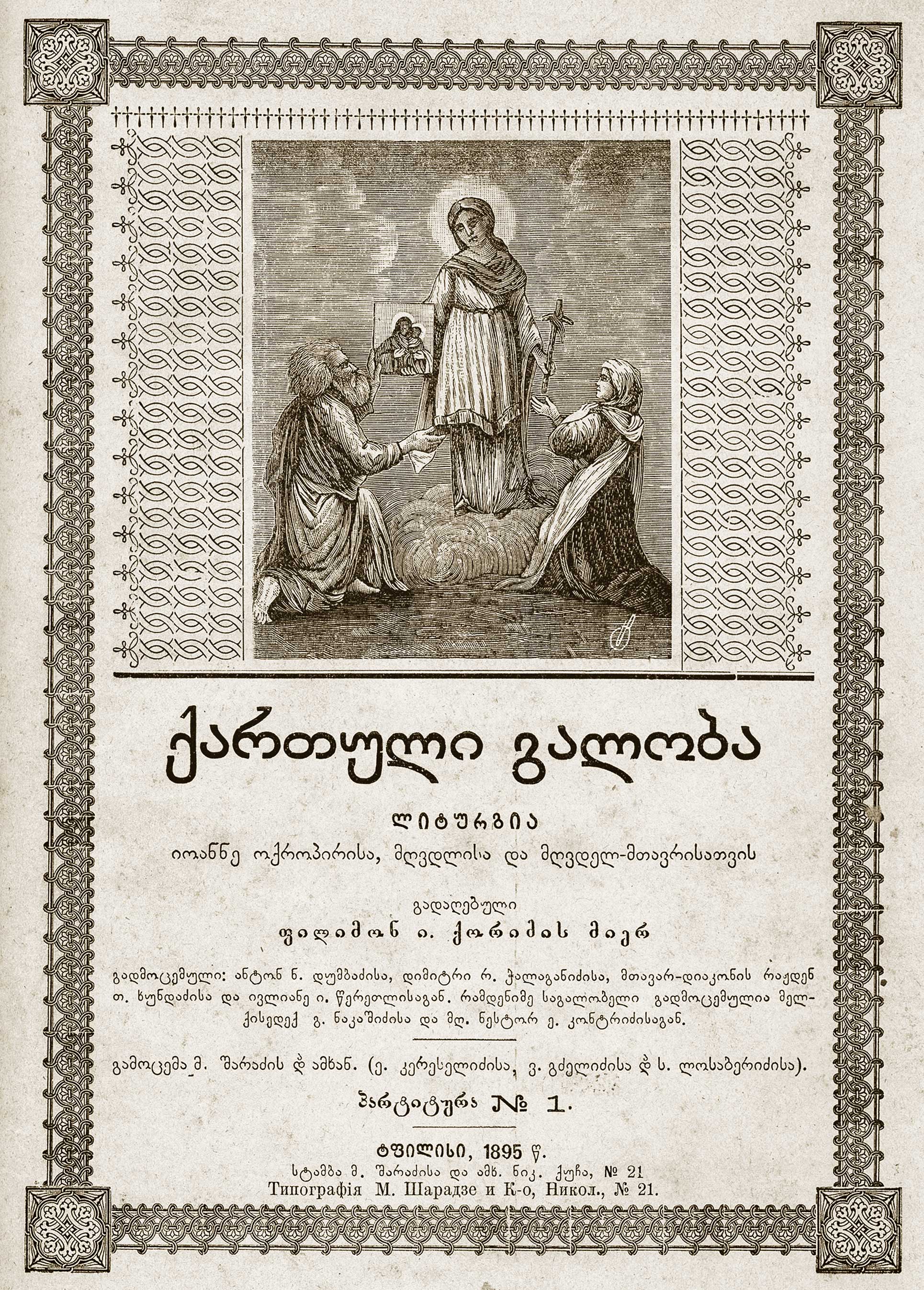
The Order of the Divine Liturgy of St John Chrysostom. 1895 edition
A few years after the meeting in Kutaisi, on the decision and with the support of Iveria's circulation manager Maksime Sharadze, his friend Ekvtime Kereselidze, Ekvtime Taqaishvili, and Aristovle Kutateladze, Pilimon Koridze set out for Ozurgeti. Ekvtime Kereselidze recalls:
„We asked Pilimon Koridze to go to the town of Ozurgeti and take down the chant of the Dumbadzes in musical notation; he told us: it would be good, but I cannot take a piano there – if you buy me a harmonium, then I shall go and transcribe it, only my monthly wage must remain the same, ten tumans a month, and for however many chants we transcribe, three manets apiece. We agreed, ordered the harmonium, and once we received it, he went to Guria, to the renowned chanter Anton Dumbadze; he too agreed to hand over each chant for three manets apiece.“[4]
The renowned musician lodged in Ozurgeti with the Pirtskhalaishvili family (the town prosecutor's office building was erected on this site in the 1980s). He would often place the harmonium on a cart and follow it on foot himself, going from village to village and recording songs.
The principal work, however, went on together with Anton Dumbadze. He was assisted by his son – Archpriest Davit Dumbadze – and his pupil Svimon Molarishvili. At times Anton would also send the young Varlam Simonishvili to Pilimon, who would sing to the priest from memory: „Varlam would sing the chants to Pilimon Koridze from memory, and he would write them down in notation.“[5]
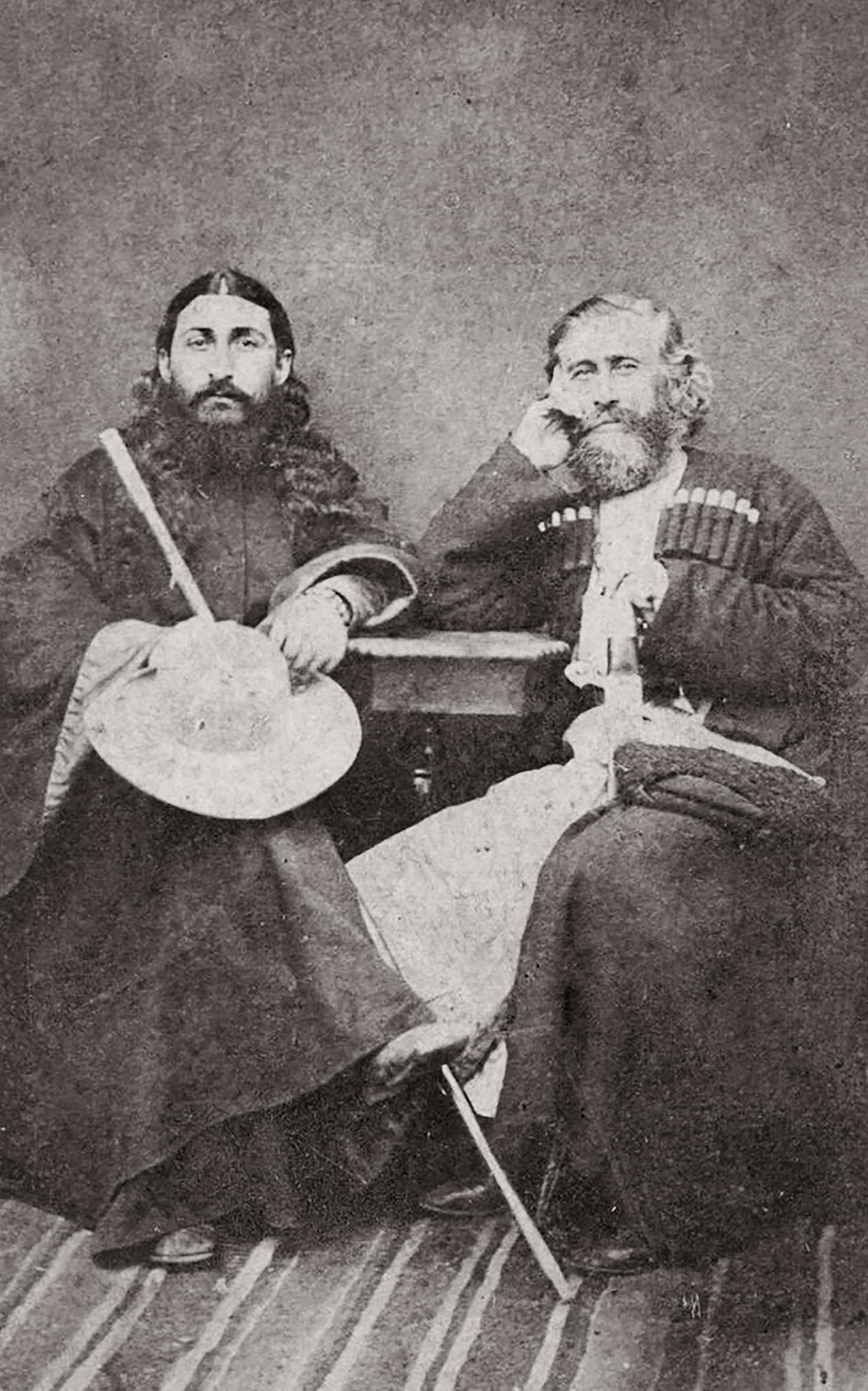
Anton and Davit Dumbadze
My interest in this story is connected with my work on material reflecting the organisation of church life in nineteenth-century Guria. In archival sources the Dumbadzes appeared not only as distinguished chanters, but also as active participants in various events of Gurian social and political life. In the course of the research, information about the large family of Anton Dumbadze became particularly significant. At the time the book was published, many details of the Dumbadzes' life remained unknown, and there were many questions still to be answered. This only strengthened the desire to continue the research.
In general, research work shows well how important it is to draw not only on official documents, but also on narratives preserved within family memory. Such information later emerged in the form of memoir-type notes, recorded by Tamar Ghlonti, granddaughter of Anton's grandchild (as he was affectionately called within the family, „Papa Anton“).[6] These notes have not been published to this day. Memoirs of this kind are an especially valuable historical source, because they fill the gaps left by archival documents and offer a picture of past life, family relations, and social existence.
The memoirist's source was her mother, Alexandra – Anton's granddaughter and the daughter of Archpriest and chanter Davit Dumbadze – also known as Sashiko. Her life is especially interesting for its connections with the aristocratic and clerical circles of the time. She was a member of the Society for the Spreading of Literacy and, together with her husband, the priest Iona Ghlonti, organised the „Allegro“[7] festival in Ozurgeti. The proceeds she would then send on to the Society. Alexandra was shown particular affection by her uncle, Major-General Ivane Antonovich Dumbadze, governor of Yalta.[8]
According to the memoirs, Ivane Dumbadze showed great generosity on the day of Alexandra's wedding: at his own expense he arranged the guests' transport from Natanebi to Ozurgeti. This free service by carriage („delezhanebi,“ as the memoirist writes) points not only to material support – it may also be viewed as an expression of that era's social prestige and kinship obligations.
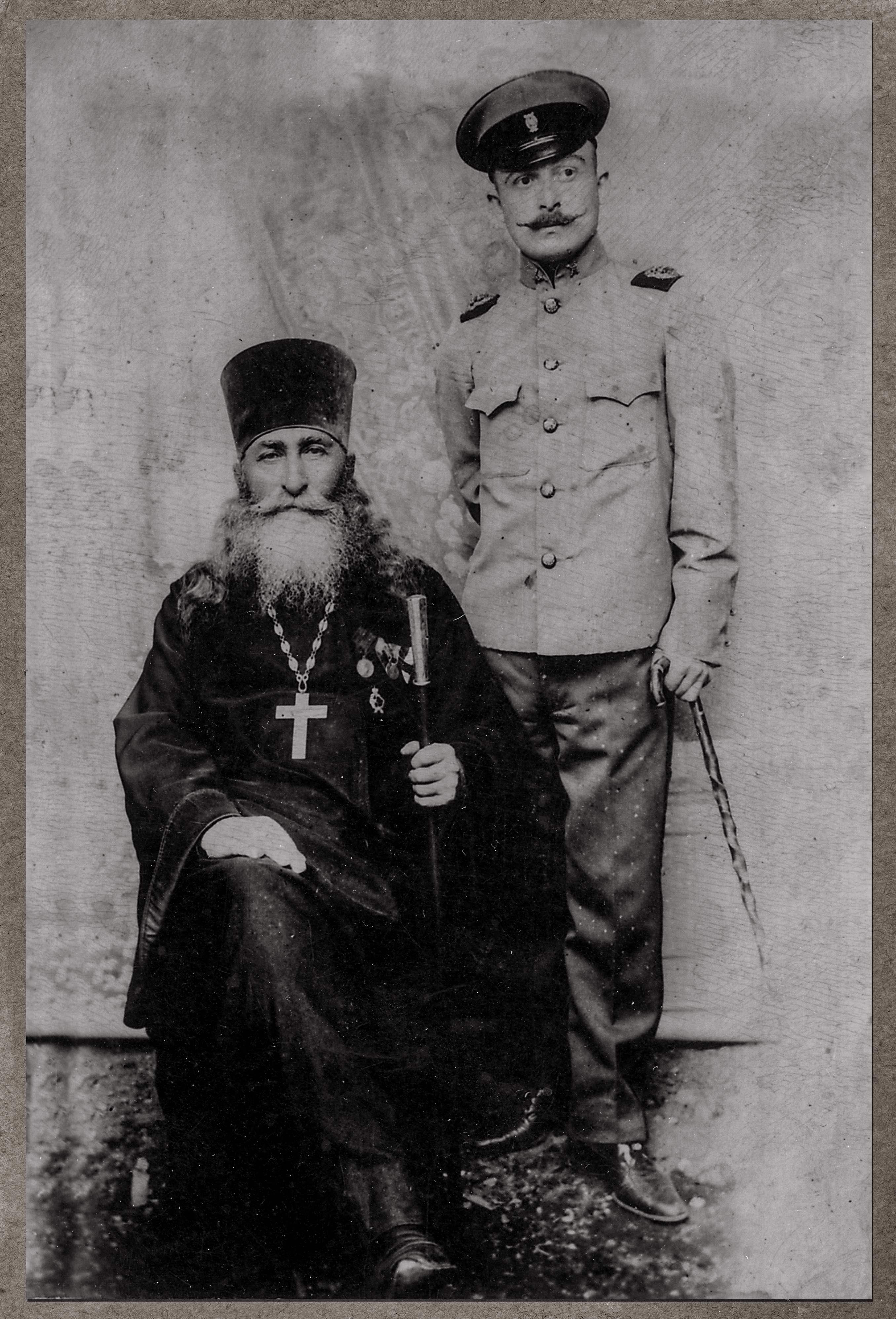
The Brothers – Archpriest Davit and General Ivane Dumbadze
The Dumbadzes' comfortable economic position gave the organisers of Pilimon Koridze's expedition hope that the sons would create such conditions for the elderly Anton Dumbadze that household affairs would not hinder his work.[9]
Pilimon's arrival at Anton Dumbadze's for the purpose of notating church chants was no accidental choice. Anton Dumbadze enjoyed great authority. He was considered one of the finest connoisseurs of chant in Guria (a „complete chanter,“ as such men were called, meaning one who knew the entire year's chanting repertoire). It was held in society that the loss of his knowledge would be a great loss for the tradition of Georgian chant. For this reason Pilimon Koridze and his associates tried to persuade Dumbadze to take part in this work.[10]
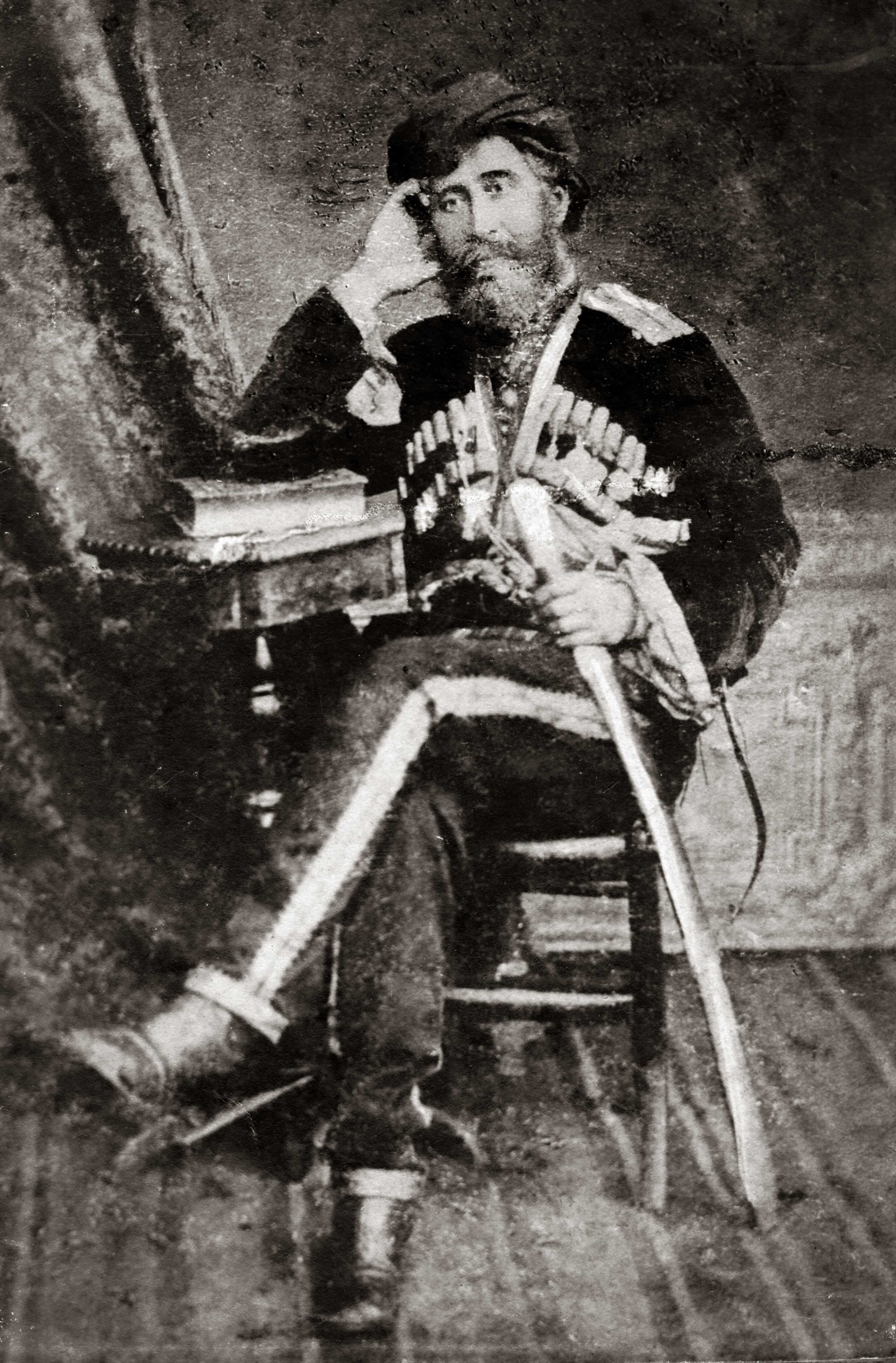
Anton Dumbadze
In the 1890s the newspaper Iveria frequently published material on the future of church chant and the importance of its preservation. From this we learn that an agreement was reached.[11] The sources do not state exactly where Pilimon's and Anton's working meetings took place – in the town of Ozurgeti, in the Dumbadze house,[12] or in the village of Shemokmedi, where Anton lived. Pilimon would certainly also have been a guest of this village and of Papa Anton's household.
If you have ever been to this most beautiful village of Guria, it will not be hard for you to picture Anton Dumbadze's homestead, just as his great-grandchild Tamar Ghlonti describes it in her notes. The family's large yard was bounded by a vineyard and orchards. Nearby stood a wine cellar enclosed by hornbeam trees. Here the table was often laid. Close by flowed the river „Nabzhora,“[13] in which fish were also caught for dinner. The surroundings are said to have been especially peaceful.
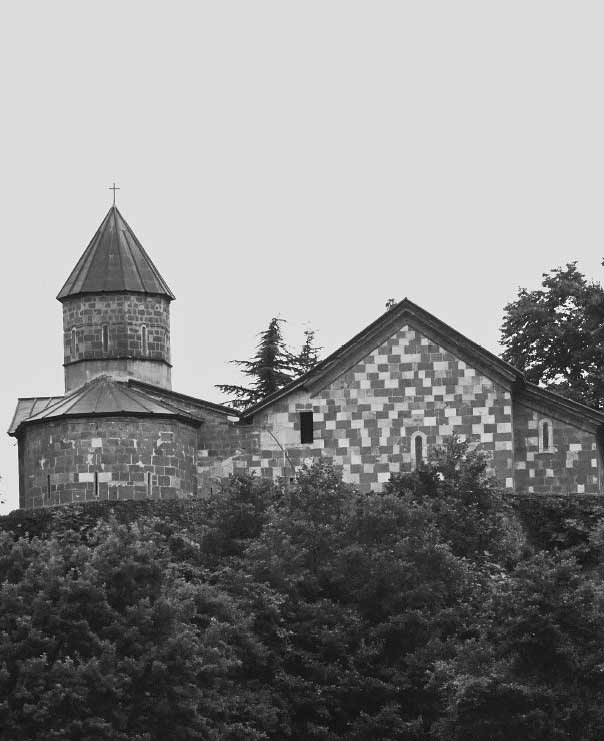
Shemokmedi Monastery
Anton's residential oda-house is said to have consisted of 12 „tvali,“ i.e. rooms. In the great hall (the drawing room) stood a red-wood armchair, chairs of flax wood, a mirror reaching to the ceiling, a table adorned with a family album, and, in the corner, a gramophone with a shelf of „records“ and musical instruments.
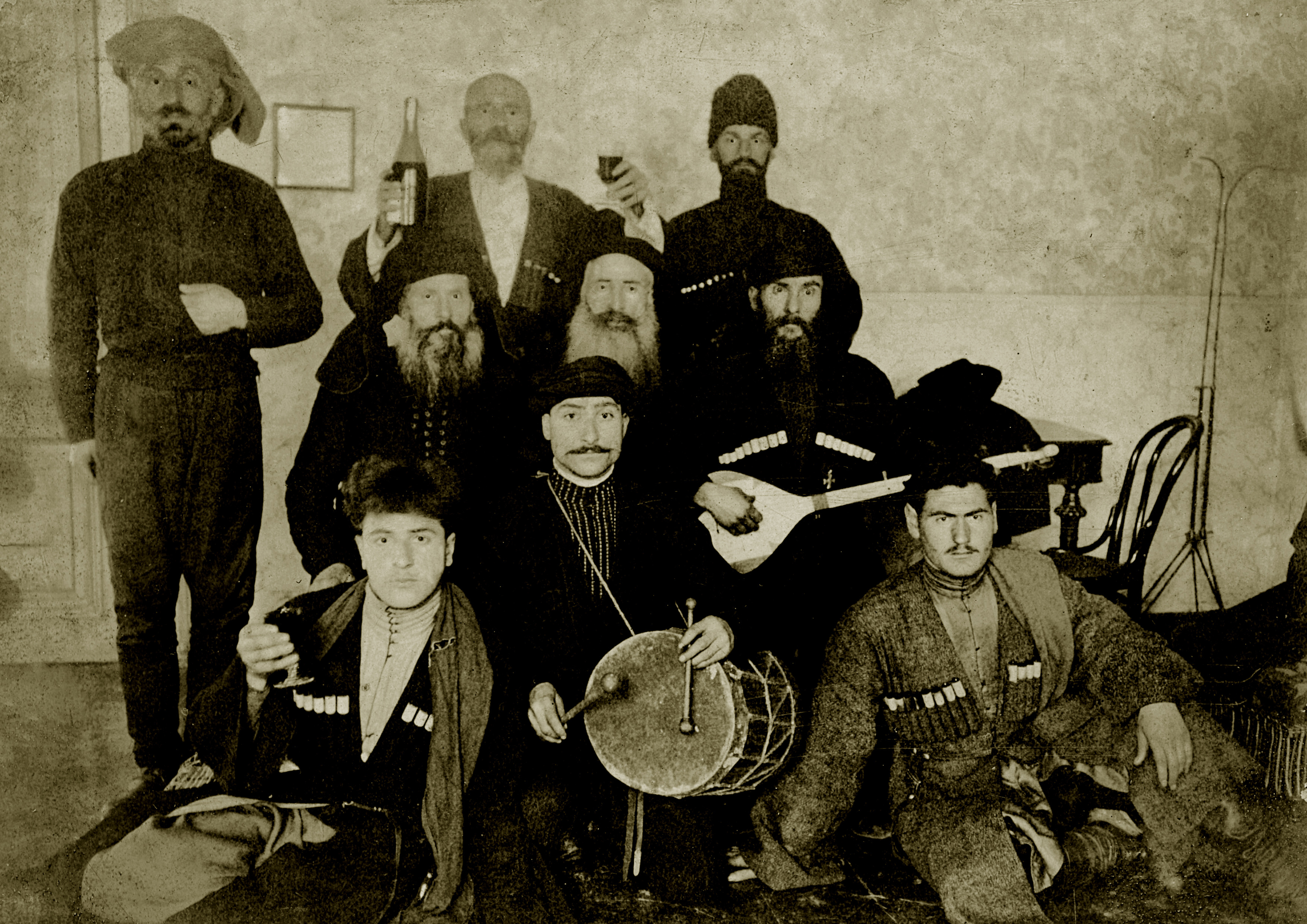
The local intelligentsia and representatives of military circles often gathered in Anton's household. At these gatherings, as the memoirist recalls, Anton wished to prove that Georgian culture was not merely a legacy of the past, but a living spiritual space. Through Georgian songs and chants Anton wished everyone to be captivated, and, above all, that the melodies and chants preserved by the people should not be lost.
Anton Dumbadze had seven children. Most of them chose military careers, while Davit became a clergyman and a distinguished chanter. The family's life, despite its cultural greatness, was also weighed down by tragic events. The harsh historical reality of early twentieth-century Georgia was reflected in their lives as well.
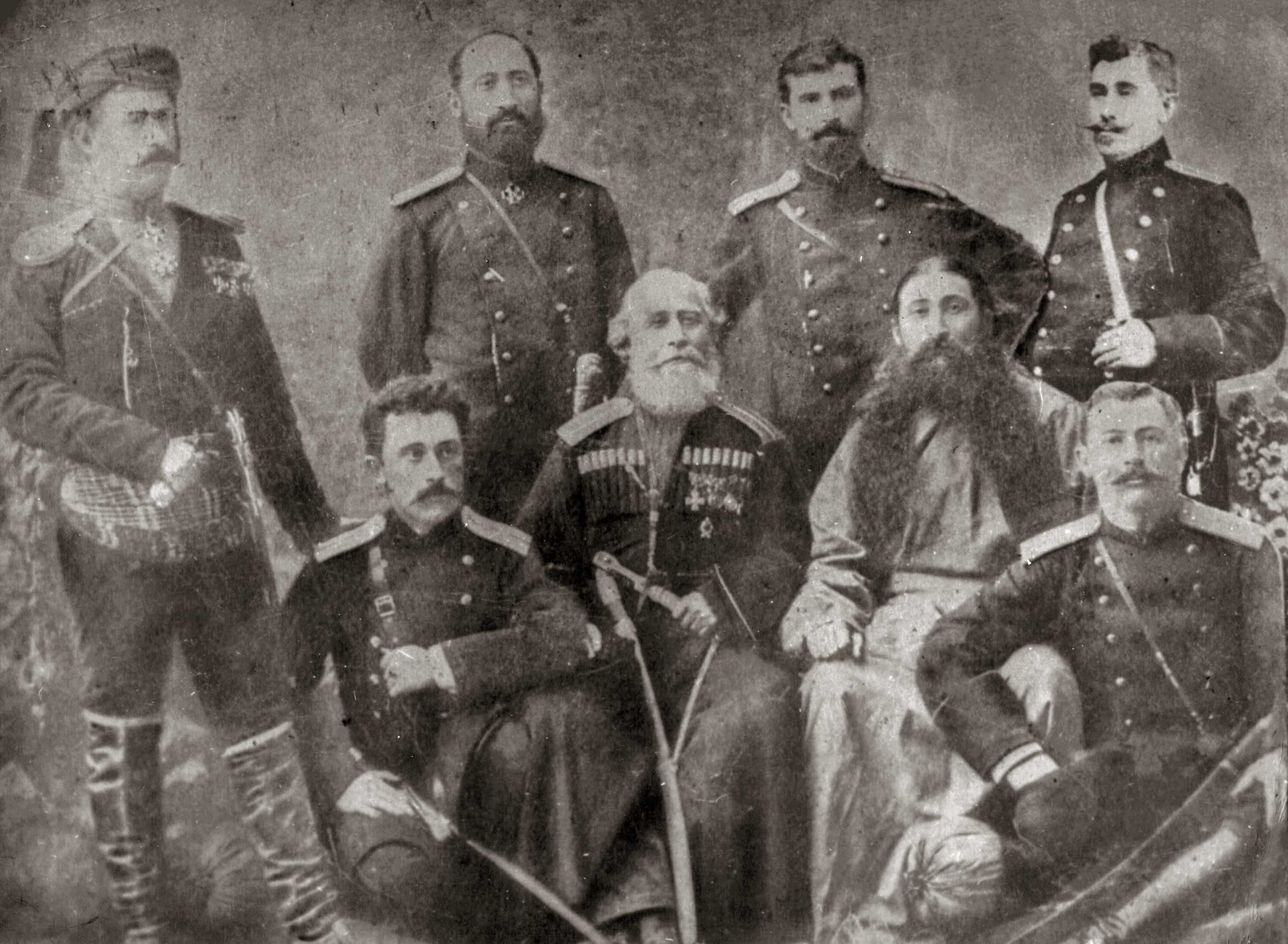
Anton Dumbadze with his children
The Dumbadze family's love of Georgian song and chant is not explained by natural talent alone. An important place in this story belongs to Shemokmedi Monastery, where a school of chant was established.[14] The historian Dimitri Bakradze, during an archaeological journey through Guria in 1874, met at the monastery the 90-year-old priest Giorgi Dumbadze,[15] who still remembered the murder of Colonel Puzyrevsky and spoke with the scholar on the subject. Father Giorgi is said to have raised three hundred clerical and lay persons; this account is also preserved in the handwritten diary of Mose Dumbadze.[16]
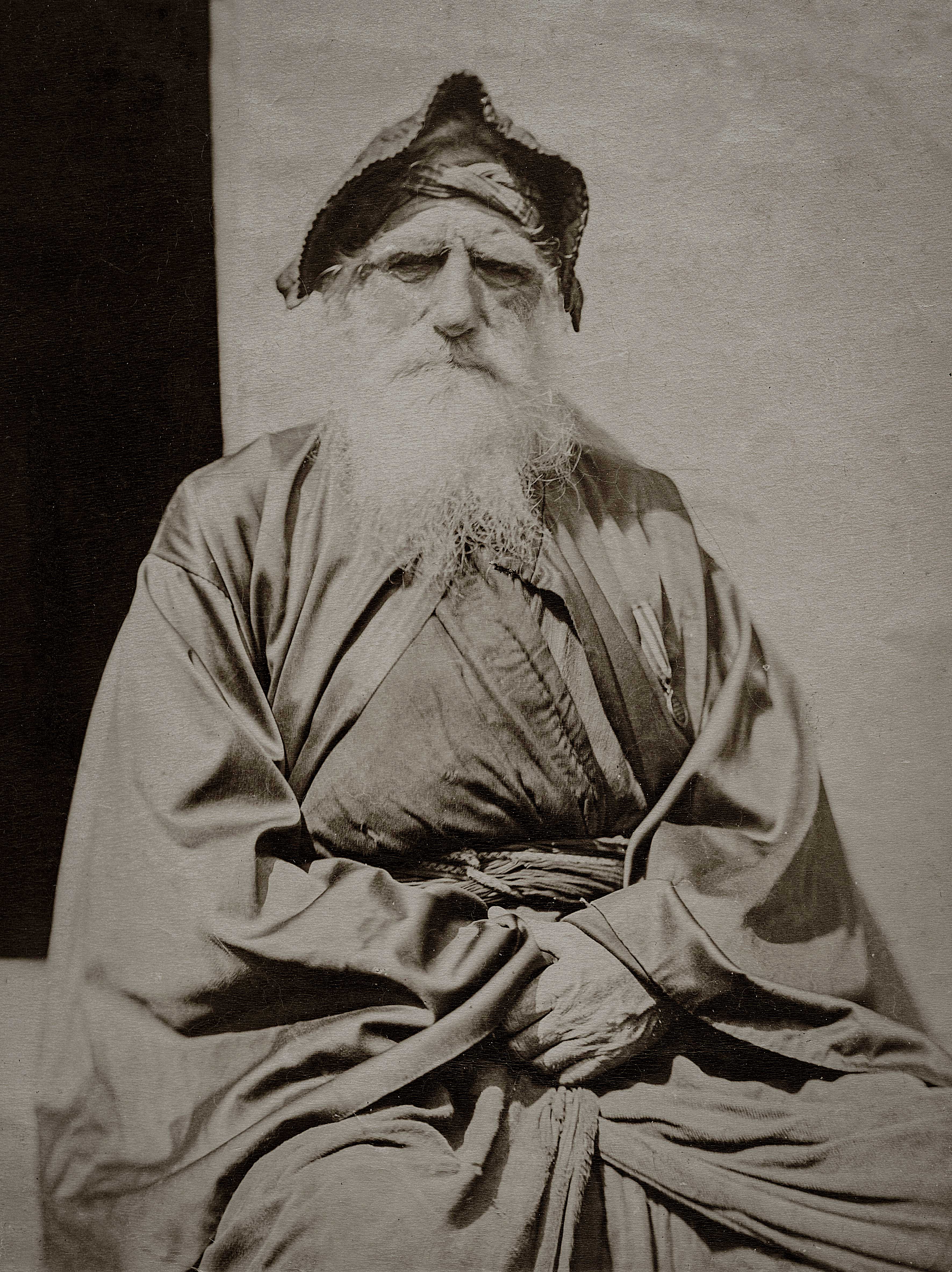
Priest Giorgi Dumbadze
By tradition, Anton Dumbadze began chanting with Father Giorgi, and afterwards mastered the craft with three Tskvitishvili brothers, who had been sent by the Bishop of Imereti, Ekvtime, into Guria, to Bishop Gabriel, and who had settled in Aketi. As payment for their teaching, they were sent every year Chkhaveri wine, of which there was an abundance at Shemokmedi Monastery.[17]
Anton is said to have been a short, handsome, elegant man, and the finest master of transmission by ear. „He chanted always, like a nightingale,“ writes his great-grandchild. Anton was able to hit every note: a tuning fork had been given by Ivane (his son, the governor of Yalta) to his father, to mark his birthday. His repertoire included the warriors' marching song, wedding songs, feasting songs, peasant songs, and the evening bell, performed with instrumental accompaniment.
The pupil of such outstanding chanters mastered his craft so well that he himself soon became a teacher of others. We find a note on his teaching activity in one publication of Droeba.[18] The schema-monk Benedikte Barkalaia discovered „in all Georgia, in Guria alone, one man who knew the old chant, by the name of Dumbadze,“ and entrusted nine gifted boys to him for five years' training, after which he took them to the Georgian monastery on Mount Athos. Among the well-known chanters of that time, Bishop Petre Konchoshvili names Melkisedek Nakashidze, Giorgi Molaridze, M. M. Kontridze, Jincharadze, and Pilipe Sharashidze.[19]
We also find noteworthy information on Anton's educational contribution in Tamar Ghlonti's memoirs: in his own house Anton Dumbadze is said to have taught up to forty young men not only singing and chanting, but also manners and social etiquette. Among his pupils was Varlam Simonishvili, who later became a well-known choirmaster.
Anton sensed, the memoirist notes, that what he was teaching these boys would not be lost – that a time would come and it would be valued. A fragment from the memoirs: „During one of the feasts a gramophone was brought in… everyone turned to listening, until one member of the group, by the name of Girkelidze, exclaimed: ‘Let me look inside that horn, and see who it is delighting us so.’ Everyone burst out laughing, but Anton did not laugh: ‘Wait a little, and soon they will be recording your beautiful songs too.’ These bright-eyed young men leapt to their feet and carried Papa Anton in their arms, calling out, ‘When, when?’ Anton was not surprised by these outbursts and calmed them: ‘Come now, sing in your own way, do not shame me, soon, soon… you yourselves will be the authors of these recordings.’“
It may be supposed that this belief was reinforced, for a well-off and educated man whose sons were in the service of the Russian Empire, by the political and cultural challenges of the era. After the abolition of the autocephaly, the real danger of disappearance threatened Georgian church tradition. This is why he believed that saving chant meant fighting for the future.
However, the author of the memoirs does not touch at all on the question of the transcription of church chant into notation. It is hard to believe that the author's mother, Alexandra Dumbadze – Anton Dumbadze's granddaughter and the daughter of Davit Dumbadze, from whom her daughter Tamar Ghlonti passes on what she heard in the memoirs – knew nothing of this fact. We must bear in mind that the text was probably written in the 1960s, an era in which even speaking publicly about church chant was risky, let alone speaking of its performance. Perhaps this silence has another explanation too. Pilimon Koridze finally ended his work in Ozurgeti in 1908, and after that the fate of the notations was unknown – how could Anton's great-grandchild have known of all this?
In Ozurgeti Pilimon Koridze continued his work intensively, and notices of his activity were periodically published in the press as well. One day he was transcribing from Anton Dumbadze „a beautiful ‘chreli’ chant.“ It emerged that Anton had not chanted this particular chant for more than forty years. When the transcription had reached almost the halfway point, Anton stopped and could not continue chanting. The next day he brought a book covered with Georgian neumes, and in this way they finished writing down the chant. „If you are writing in notation, then I too shall chant by notation,“ he told Pilimon.[20] This collection of chants marked with neumes has unfortunately not come down to us. Pilimon, for his part, often asked Anton: „Write down for me those rare and unfamiliar chants, chants known to no one else, so that they remain to your credit.“[21]
In Ozurgeti the joint labour of these two great patriots continued for four years and was crowned by a farewell concert on 2 February 1897.
Pilimon returned again to Ozurgeti in the 1900s, but Anton Dumbadze was no longer alive (he died in 1907). Pilimon continued the transcription of chant into notation together with Anton's son, Archpriest Davit Dumbadze, and Svimon Molarishvili, and the notation was „completed by 1910.“[22]
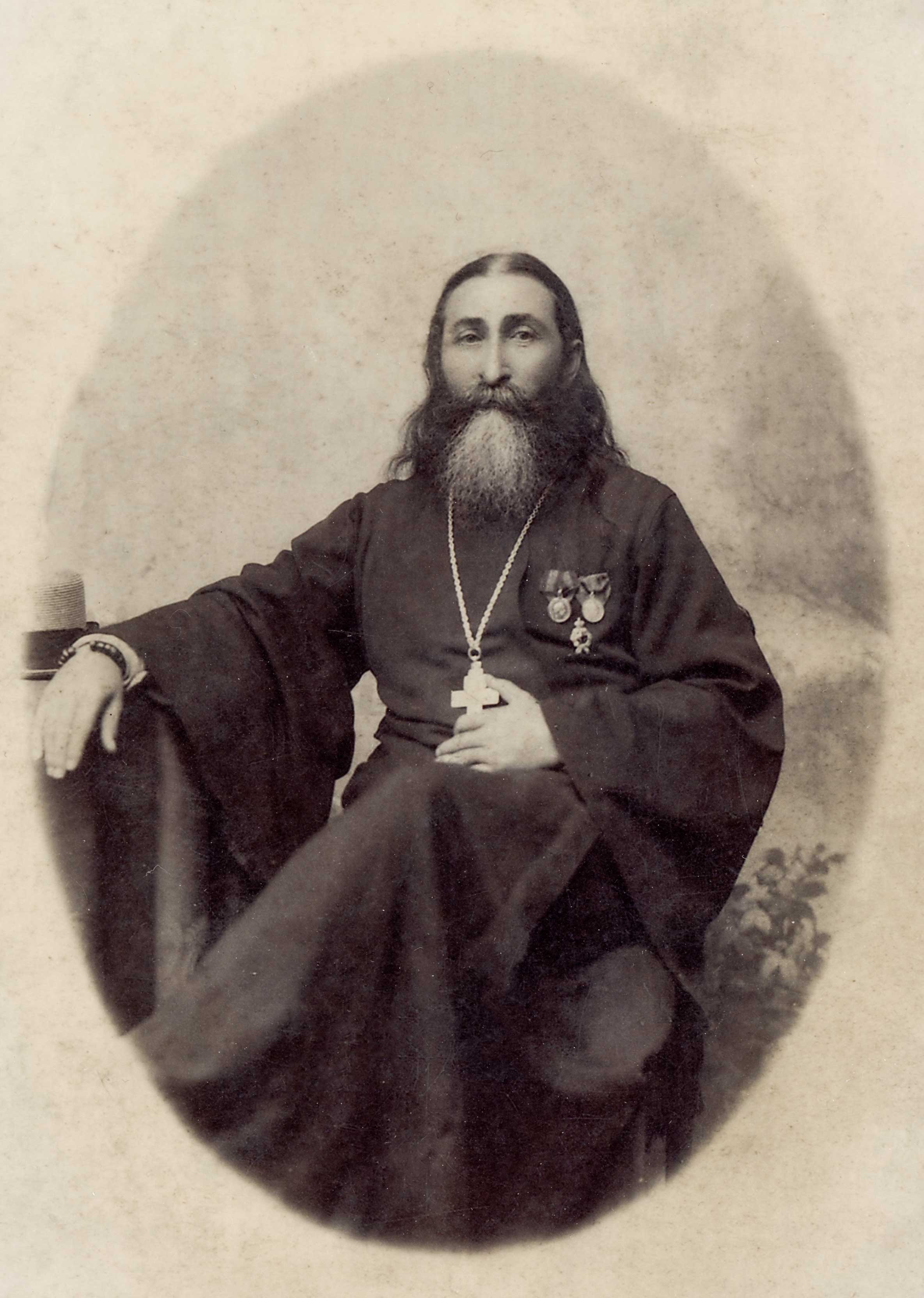
Archpriest Davit Dumbadze
In manuscript Q-665, kept at the National Centre of Manuscripts, a four-page letter („shtasakhedi“) written by Ekvtime Kereselidze is bound in, in which it is noted that, in total, 2,952 chants were transcribed into notation from Anton and Davit Dumbadze (gathered together in 22 enormous manuscript collections). Most of the chants were written down in three voices, though for some only a single voice was recorded. Chants taken down from the Dumbadzes are also scattered through other manuscripts. In total, their number exceeds 3,000. This figure is not merely statistics. It is a measure of an inestimably vast contribution to the rescue of cultural memory.
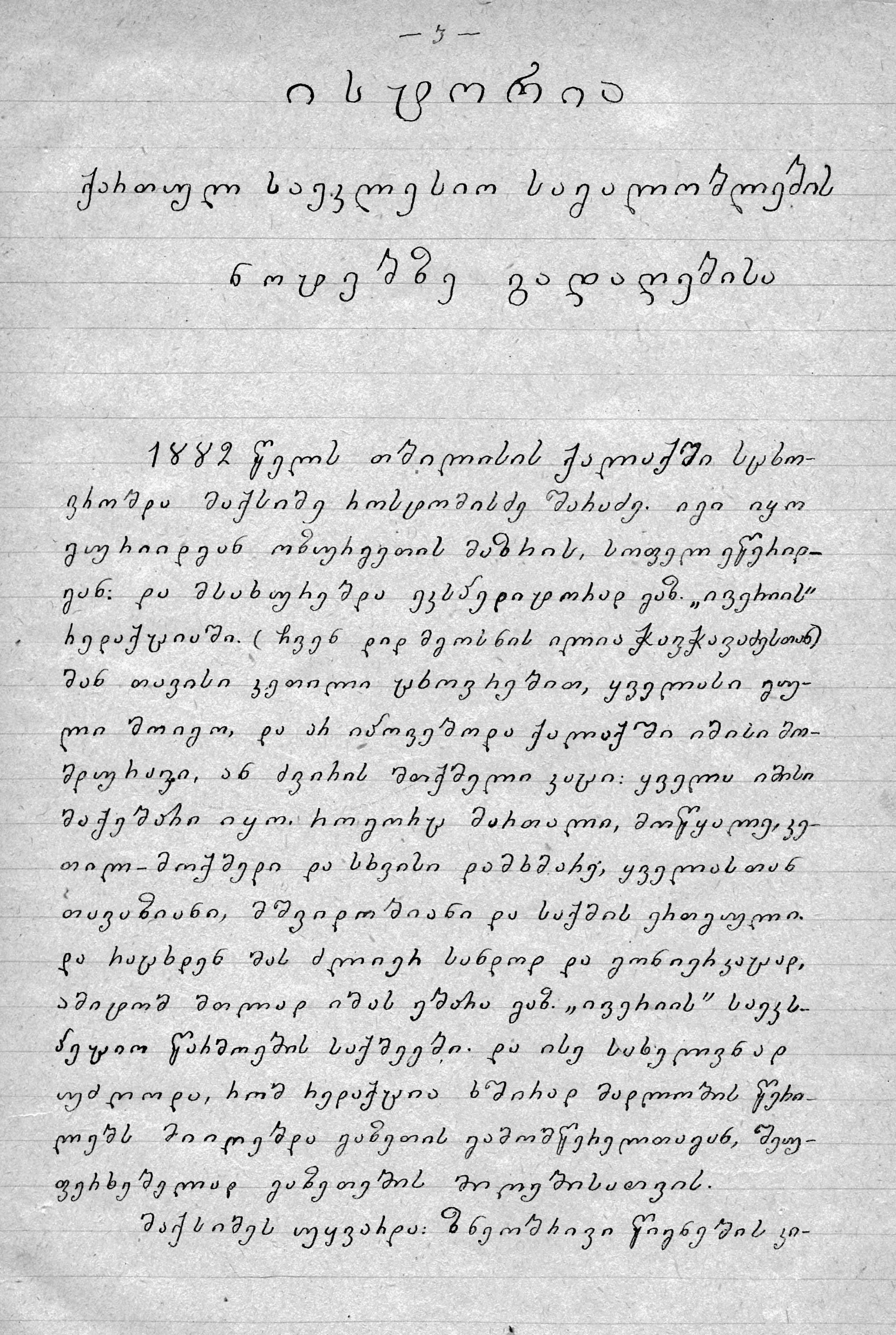
Ekvtime Kereselidze. „History of the Transcription of Georgian Church Chants into Notation“
Eighty-year-old Pilimon Koridze died in 1911 in Bakhmaro. His transcribed notations were never found. In 1918, Archpriest Davit Dumbadze, repeatedly harassed by the local authorities, was killed in unclear circumstances.[23] With this an era seemed to come to an end, and the history of the chants was for a time given over to forgetting.
It should therefore be no surprise that the great and historic Dumbadze family became widely known to the general public, from the 1990s onward, not so much for their most important work – the transcription of chant into notation – but rather through articles published about the figure of Anton's grandson, and Davit Dumbadze's son, Vasil Dumbadze.
Vaso Dumbadze is one of the intriguing figures of Georgia's most recent, twentieth-century history. In articles published in the 1990s, in which truth and still poorly studied matters are entangled with one another, he is presented as nothing more than a swindler and a con man. Where did this image of Dumbadze come from?
Vasil Dumbadze received his education in Germany, in Leipzig, where the Georgian publicist and translator Geronti Kikodze also studied. It is Kikodze's own account, recorded in Levan Asatiani's notes, that was published in 1965.[24] In one fragment – „Dumbadze the Swindler“ – we read that, while in St Petersburg, Dumbadze grew close to the wife of the Russian Minister of War, Sukhomlinov, and through her mediation received, during the First World War, the task of purchasing weapons in America. Dumbadze sold the secret to German intelligence, for which he was sentenced to death in 1916, though the revolution of 1917 saved him. Later Vaso Dumbadze set out for America.
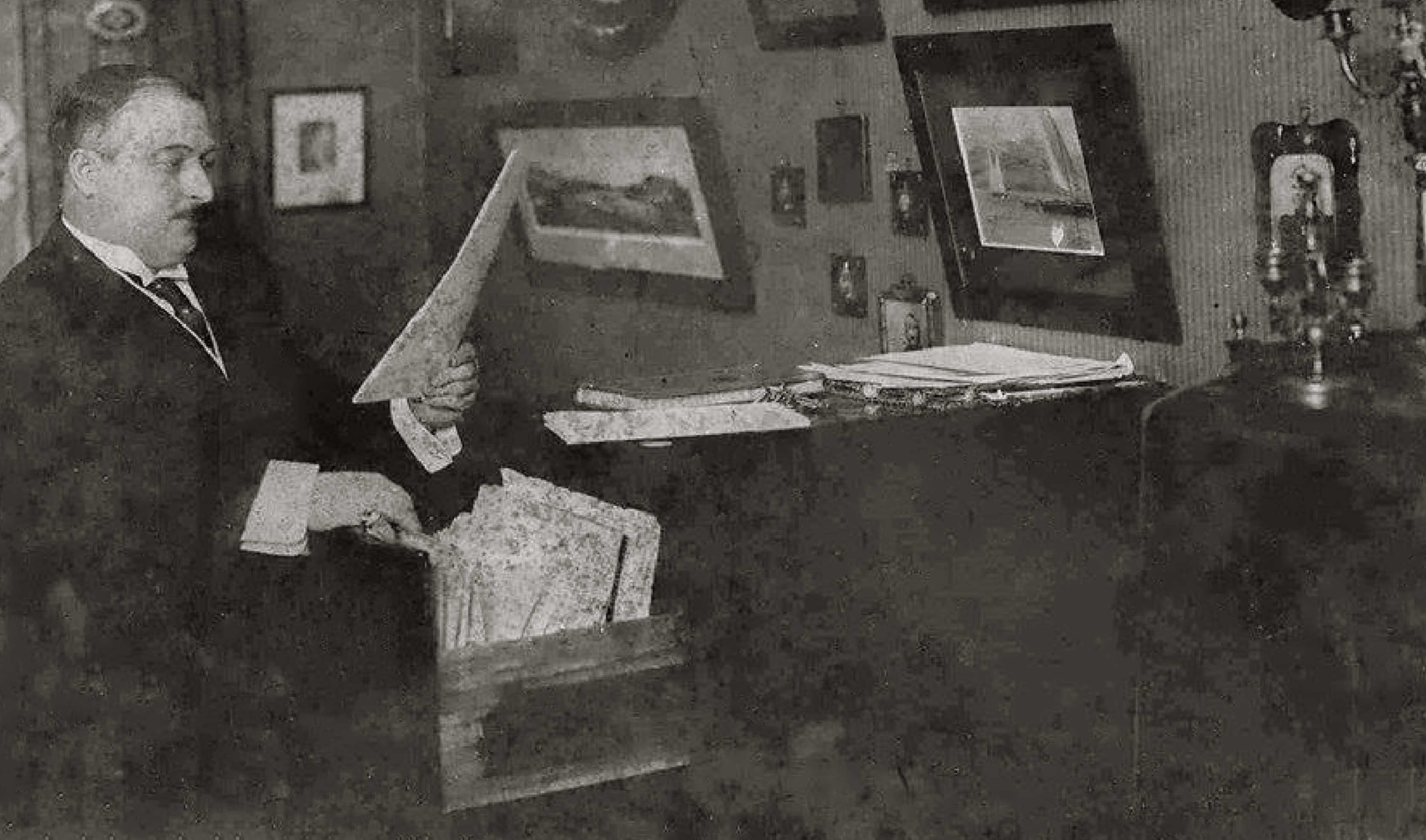
Vaso Dumbadze
This story was told by Geronti Kikodze to Mikheil Javakhishvili. The writer used it for the portrait of Kvachi Kvachantiradze. The idea that Kvachi's prototype was Vaso Dumbadze is confirmed by an entry in Mikheil Javakhishvili's own diary, miraculously preserved: „Good material for ‘Kvachi’ from Leli Japaridze – from the life of V. Dumbadze.“[25]
„Kvachi Kvachantiradze“ was published in 1924. A year later the newspaper „Komunisti“ already referred to Vasil Dumbadze as Kvachi Kvachantiradze, accusing him of propagandising the idea of an independent Georgia in America. In America, Vaso Dumbadze worked hard on the question of recognition of Georgia's independence. In 1926 the exiled government of the Democratic Republic of Georgia appointed him consul in the USA. On his initiative the „American Society for the Caucasus“ was created, he published in New York an English-language book, „The Caucasian Republics,“[26] and through his efforts a discussion of the question of Georgian independence also took place in the US Congress on 1–2 April 1926, though no decision was reached on the matter.
The émigré press[27] valued his contribution highly. Later, in 1933, France's recognition of the USSR, and the abolition of the Georgian legation, weakened the political possibilities of the émigré community.
It is known that he died in New York, and information about the great fortune connected with his name is said to have reached even Shemokmedi, though in the Soviet era this matter was consigned to oblivion.
Another child of Archpriest Davit Dumbadze also ended up in emigration. Sonia Dumbadze had an exceptional, rare voice. When a musicologist heard her at St Nino's gymnasium in Kutaisi, she advised her to enrol at the conservatory. From there the road opened toward Italy and led her to the stage of La Scala. Sonia married Giovanni Bono, became a renowned opera singer and teacher. In 1963, after many years of separation, she returned to Georgia for two months to visit her sisters and to meet with the past.
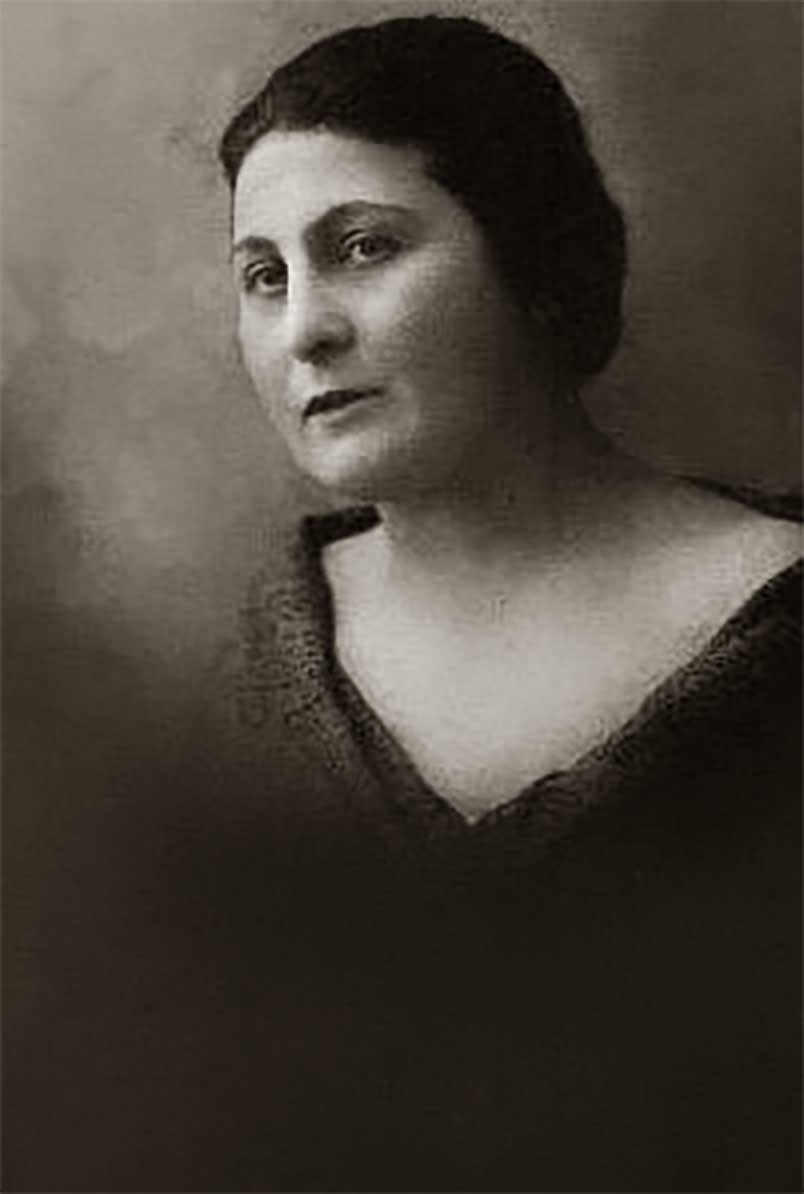
Sonia Dumbadze
It is precisely the memories connected with this visit of Sonia's, preserved for us by Tamar Ghlonti, that give important information about the burial of Anton and Davit Dumbadze and their final resting place. We cannot, however, touch on this subject without recalling yet another tragedy of the family.
On 1 March 1910, Giorgi, the son of Archpriest Davit Dumbadze, was killed, or, as some sources suggest, fell victim to an accident.[28] Tamar Ghlonti (mistakenly giving the date in her memoirs as 1913) writes that the society of Ozurgeti asked Father Davit to request help from his brother – General Ivane Dumbadze – in opening a state pharmacy. It was a hard time: medicine was expensive, children often died. The general fulfilled the request, and a state pharmacy opened in Ozurgeti.
This step brought opposition in its wake. The interests of the private pharmacies were harmed, and, according to Tamar Ghlonti's account, the bribed pharmacist's assistant Zedginidze killed Giorgi. He was mourned by his mother Maka Tuskia-Dumbadze, his ten sisters, students who had come from Kyiv, and representatives of the Georgian intelligentsia. The coffin was accompanied by forty young men whom Anton had raised. After his son's tragic death, Archpriest Davit Dumbadze is said to have stopped chanting and not to have sung again for ten years.
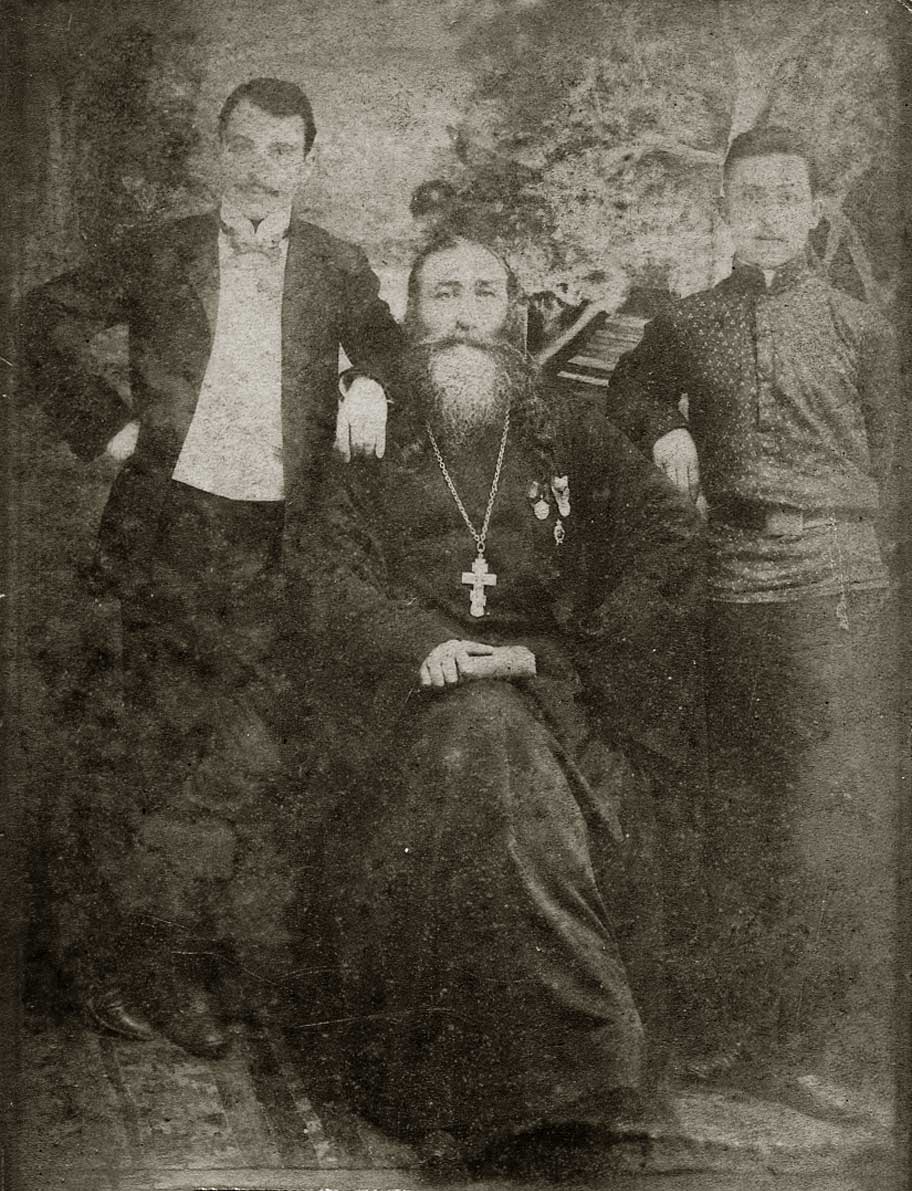
Archpriest Davit Dumbadze, with his sons Vasil and Giorgi
Sonia, returning from Milan, went up to Shemokmedi. She sang „Iavnana“ and, at the Church of St George,[29] visited the graves of family members – her grandfather, her parents, and her brother. From the memoirs it emerges that Anton Dumbadze and Davit Dumbadze had originally been buried at the Church of St George in Shemokmedi. In 1963 Sonia Dumbadze had them reinterred within the monastery's enclosure wall.
Tamar Ghlonti's notes describe this episode with particular emotion: at the opening of the graves, Sonia herself is said to have gathered up her ancestors' bones. On her brother Giorgi's fingers there still remained the gold rings given to him by his ten sisters, on his wrist a keepsake bracelet, and in his hand silver objects. Sonia Dumbadze laid the remains of her family members in a single coffin, removed the gold and silver jewellery, and with this money had them reinterred at Shemokmedi Monastery: „They have no cemetery made for them. Anton too is buried there, in the common cemetery,“ Tamar writes.[30]
Sonia Dumbadze had a particular wish to erect a worthy monument to Papa Anton, though this wish was never realised.
The graves of Anton and Davit Dumbadze are lost. Perhaps a memorial inscription on the enclosure wall of Shemokmedi Monastery would be not only the marking of a historical fact, but also an expression of our gratitude for the labour of the chanting Dumbadzes.
The history of the Dumbadze family is not merely a chronicle of the past. Their names live on today too, in the chants preserved by the tireless labour and self-sacrifice of the blessed Ekvtime Kereselidze; in the melodies that still resound in Georgian churches, and remind us that time can rarely take anything away from cultural heritage. On the contrary, it is time itself that becomes the faithful guardian of this heritage.
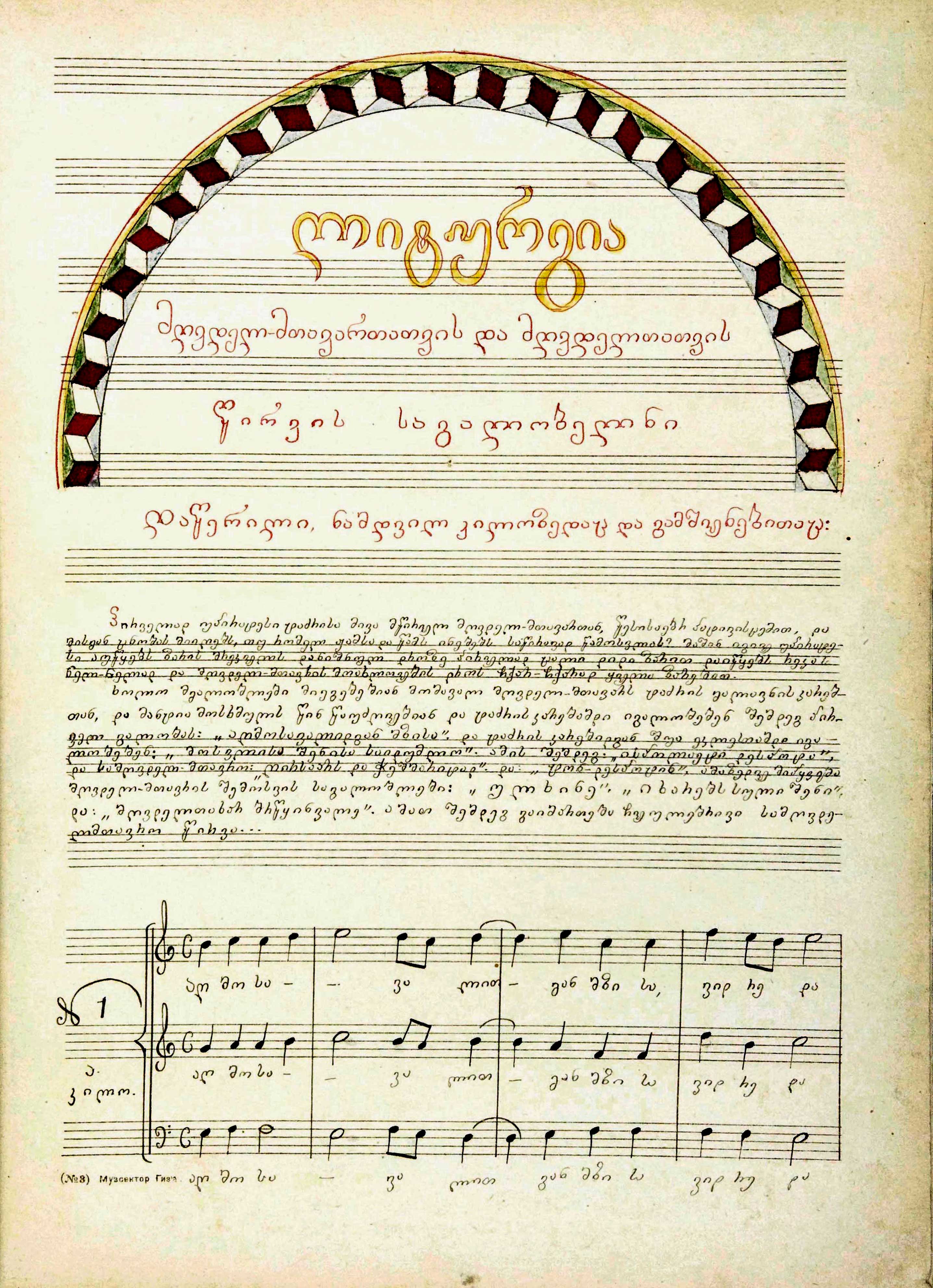
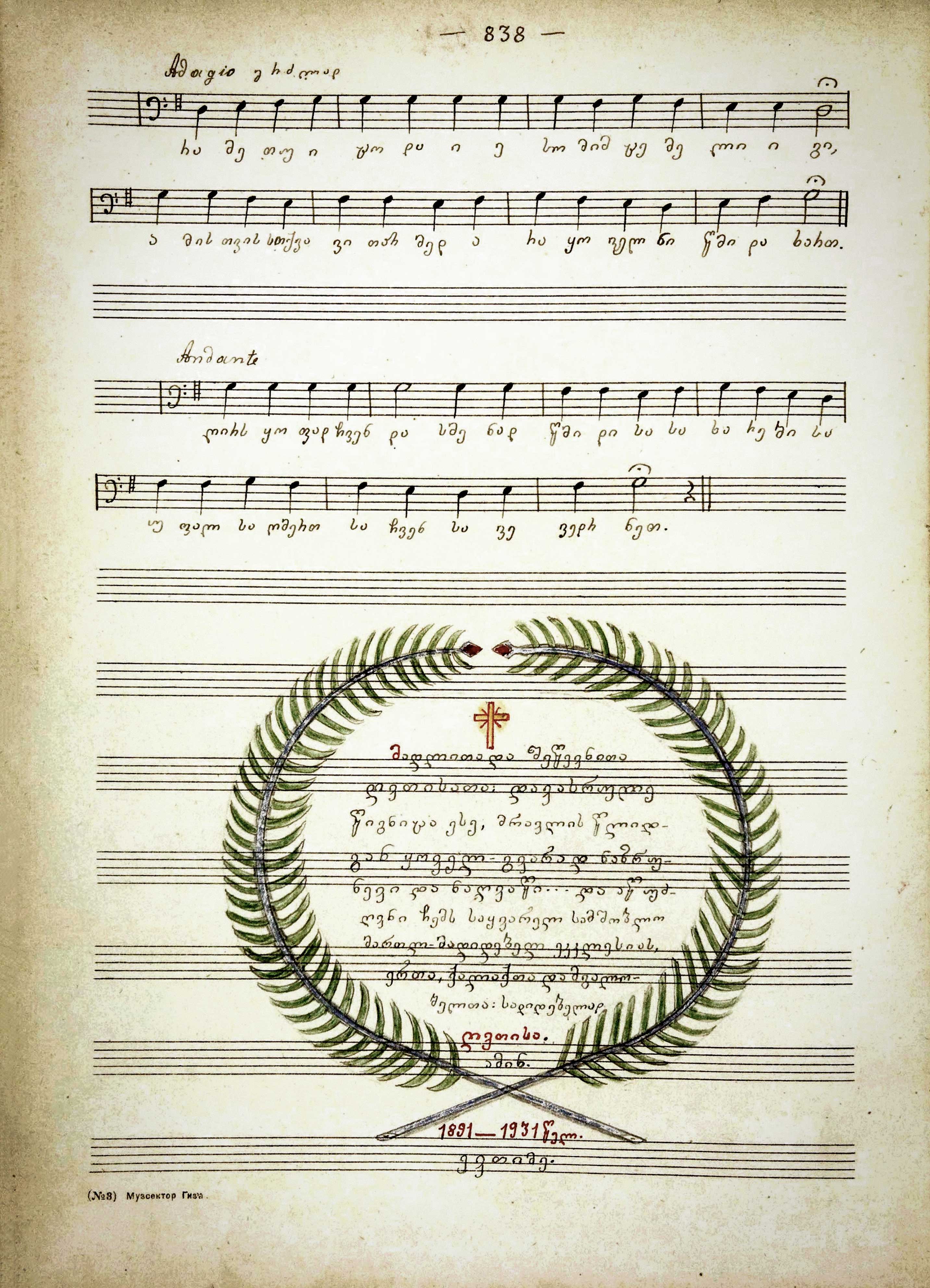
Ekvtime Kereselidze's collection of notations. Manuscript Q-674
Photographs from the collections of Luarsab Togonidze and Ilia Tavberidze
[1] News item. 1893. Iveria, No. 130.
[2] A lover of chant. 1893. On the transcription of chant into notation. Iveria, No. 125.
[3] Koridze, Pilimon. 1895. Georgian Chant (notation), 1895. Liturgy of John Chrysostom, for priest and hierarch, transcribed by: Pilimon I. Koridze; transmitted by: Anton N. Dumbadze, Dimitri R. Chalaganidze, Archdeacon Razhden T. Khundadze and Ivliane I. Tsereteli; a number of chants transmitted by Melkisedek G. Nakashidze and priest Nestor E. Kontridze. Edition of M. Sharadze and Co. (E. Kereselidze, V. Grdzelidze and S. Losaberidze). Tiflis: printing house of M. Sharadze and Co.
[4] Kereselidze, Ekvtime. 2010. History of the Transcription of Georgian Church Chants into Notation. See Ilia Tavberidze, Nineteenth-Century Georgian Public Figures and Church Chant, p. 143. Tbilisi: Patriarchate Publishing House.
[5] Simonishvili, Nestor. 1962. Pilimon Koridze. Leninis Drosha, 7 September.
[6] Tamar Ghlonti's memoirs (a copy of the manuscript is kept in the article's author's personal archive). Unless another source is indicated, every episode recounted in the article rests on this source.
[7] Allegro – a popular festival held in the garden in the centre of the town of Ozurgeti, on the site where the state theatre building now stands.
[8] On Ivane Dumbadze and his brothers, who were also generals, see in detail: Gogitidze, Mikheil, and Makharadze, Irakli. 2023. Gurian Generals. Tbilisi: Artanuji.
[9] Sharadze, Maksime. 1894, 15 December. On the transcription and printing of our church chants into notation. Iveria, No. 276.
[10] Vermitsanashvili, Datiko (Tsuladze, Lavrenti). 1893. A little something of my own (a letter from Guria). Iveria, No. 99.
[11] Iveria, 1893, No. 147.
[12] The Dumbadze house should have stood in the centre of the town of Ozurgeti. The poet Grigol Tsetskhladze, in his poem „Four Mausers,“ describing the centre of Ozurgeti during the revolutionary period, notes: „Davit Dumbadze's nine daughters appeared together on the high balcony.“ However, Davit Dumbadze had ten daughters. See Tsetskhladze, Grigol. 1928. „Four Mausers.“ Kartuli Mtserloba, No. 08–09, p. 87.
[13] The Nabzhuara river flows through the village of Shemokmedi and joins the river Bzhuzhi at Ozurgeti. By tradition, Anton Dumbadze's yard stood at the centre of Shemokmedi, above the public school, on the road toward the village of Gomi, to the left of the bridge built over the Nabzhuara.
[14] The term belongs to Davit Shughliashvili. See Shughliashvili, Davit. 1991. On the Unity of the Branches of Georgian Chant. Collected scholarly works: Old Georgian Professional Music. Questions of History and Theory. Tbilisi.
[15] Bakradze, Dimitri. 1987. An Archaeological Journey through Guria and Achara. Sabchota Achara, p. 141.
[16] This information was first published by the historian Kveli Chkhatarashvili. See Chkhatarashvili, Kveli. 1959. The Principality of Guria. Candidate dissertation. Manuscript, p. 581. The manuscript is currently kept in the archive of the scholar Sandro Natadze. On page 9 of the manuscript we read: „A relative of mine, the priest Giorgi, son of Giorgi Dumbadze, was, from his birth, a hundred years old. Greatly learned in Holy Scripture and in the reading and writing of the Georgian language, and in chant, and a well-formed, upright man. His deeds would fill many pages, but we neither felt nor valued his work as we ought. There are, throughout Guria, people he raised and educated in Holy Scripture or in the reading and writing of Georgian, numbering nearly three hundred, whether priests, monks, or laymen. To my sorrow, he has now died, this year 1883, on the twenty-ninth of April, on a Friday, at the eighth hour in the evening, and was buried on the first of May, on a Sunday. I write this so that his deeds may be remembered, and what manner of man he was – Giorgi Dumbadze. Whoever reads this, let every soul grant him forgiveness and bless him, for such a man he was. Mose Dumbadze.“
[17] Simonishvili, Varlam. 2005. The Origin of the Songs of Guria. Centre for the Study and Popularisation of the Spiritual and Cultural Values of Guria. pp. 18–19.
[18] Barkalaia, Benedikte. 1880. Letter to the Editor. Droeba, No. 128.
[19] Konchoshvili, Petre. 1801 [sic]. The Journey of Archpriest Petre Konchoshvili to the Holy City of Jerusalem and the Holy Mountain of Athos. Tiflis, pp. 181–182.
[20] Koridze, Pilimon. A brief note on Father Polievktos Karbelashvili's historical survey of chant and song. Central Historical Archive of the National Archives of Georgia. Polievktos Karbelashvili Fond. No. 1461. Inventory No. 1. File No. 126.
[21] Ekvtime Kereselidze. History of the Transcription of Georgian Church Chants into Notation. See Tavberidze, Ilia. 2010. Nineteenth-Century Georgian Public Figures and Church Chant. Tbilisi: Patriarchate Publishing House, p. 143.
[22] Ibid., p. 144.
[23] A murder in Guria. Sakartvelo, 1918, No. 99. According to the newspaper's account, Davit Dumbadze and those killed with him were accused of contact with the Ottomans.
[24] Asatiani, Levan. 1965. From a Notebook. Mnatobi, No. 6: 173–182.
[25] Javakhishvili, Mikheil. 2015. From the Notebooks. Tbilisi: Intelekti, p. 146.
[26] Dumbadze, Vasil. 2022/2023. The Caucasian Republics – Small Democracies the World Forgot. (Chapters I–II, translated by Luka Jincharadze). Kartuli Emigratsia, No. 10.
[27] Chveni Gza. 1953. No. 1–2. New York: organ of political and public opinion in the Georgian language, with English summaries, p. 2.
[28] Akhali Skhivi. 1910. No. 25 (5 March). Tbilisi: Shroma. Social and political newspaper, p. 3. The newspaper reports, in a brief item, on the unfortunate incident in Ozurgeti, noting that a revolver being examined by P. Zedginidze, an assistant at the local pharmacy, discharged accidentally.
[29] This should refer to the Church of St George of Gorisferdi, which stood near Shemokmedi Monastery, „on the slope, or side, of a mountain, hence called Goris-ferdi. Here is quarried the same bluish building stone of which Shemokmedi Monastery is built. Judging by the stones remaining at Goris-ferdi, it should be thought that the church of Goris-ferdi was the finest in Guria. On the spot where the old stone church had stood, a wooden church of poor workmanship was later erected.“ See Taqaishvili, Ekvtime. 1907. Archaeological Journeys and Notes. Book One. Tiflis: Elektron Press of the Georgian Book Publishers' Association, pp. 34–36.
[30] The author of the memoirs gives a different account regarding the burial place of Giorgi, son of Davit Dumbadze, as well. The press of the time reports that the student Giorgi Dumbadze's burial was to take place on 5 March, within the enclosure of Shemokmedi Monastery. It is likely that Sonia Dumbadze combined the bodies buried within the two church enclosures and reinterred them within the enclosure of the monastery. See Akhali Skhivi, 1910, No. 24.



.jpg)