Larchemi-Soinari: The Georgian Pan Flute on the World Map

The Pan Flute and the Georgian Tradition
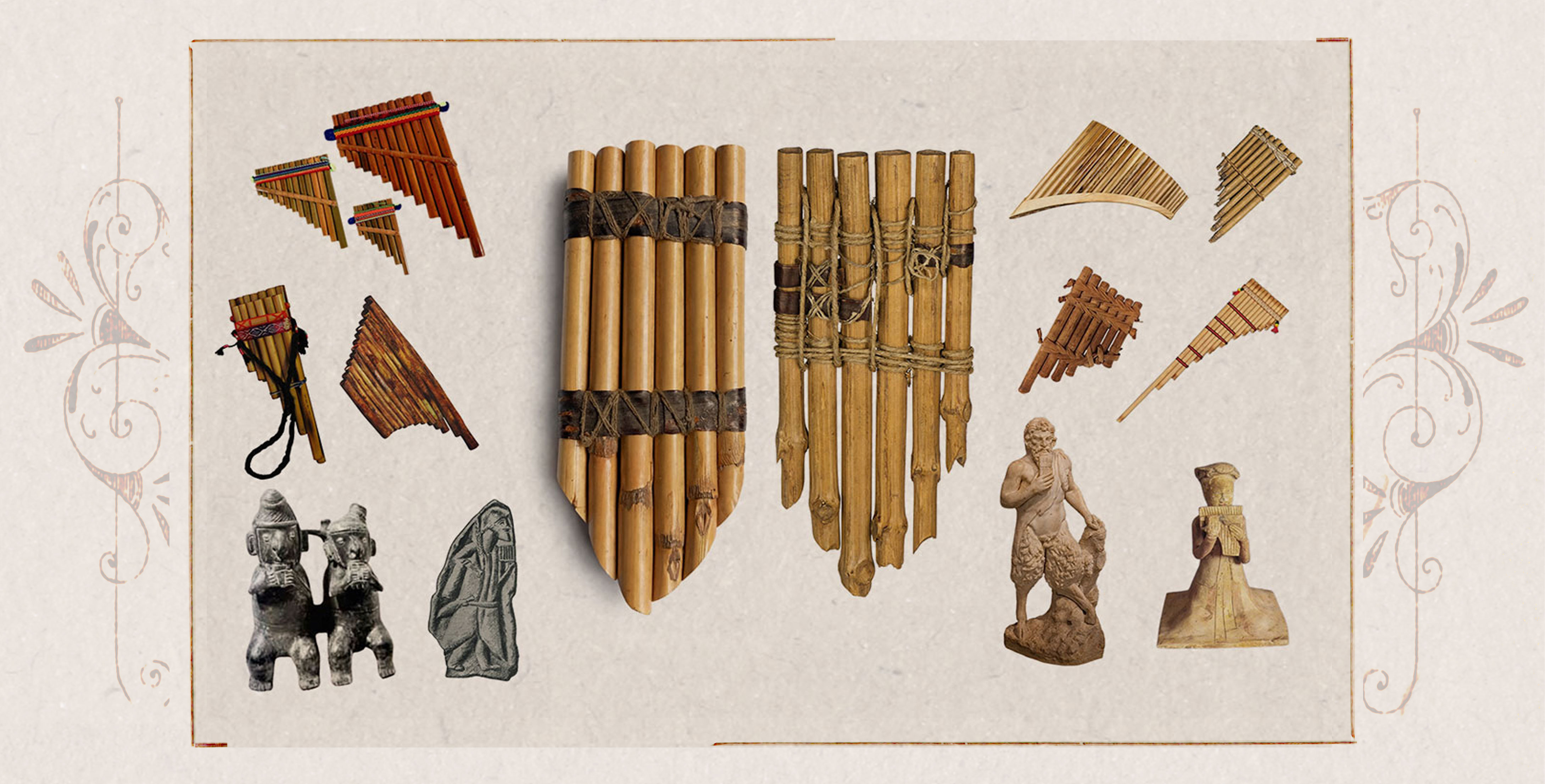
According to ancient Greek mythology, the god Pan fell deeply in love with the nymph Syrinx, but his love was unrequited. Pan’s uncontrollable passion turned into relentless pursuit, while Syrinx, who wished to avoid him, called upon her fellow nymphs for help and was transformed into a bed of reeds. When the wind blew through the reeds, a melancholy melody arose. Unable to determine which reed had become his beloved, the lovestruck god cut several reeds and fashioned a musical instrument, which he thereafter carried with him at all times.
The name of a family of musical instruments—the pan flute (also known in Georgian tradition as the panis salamuri)—is associated with this legend.[1]
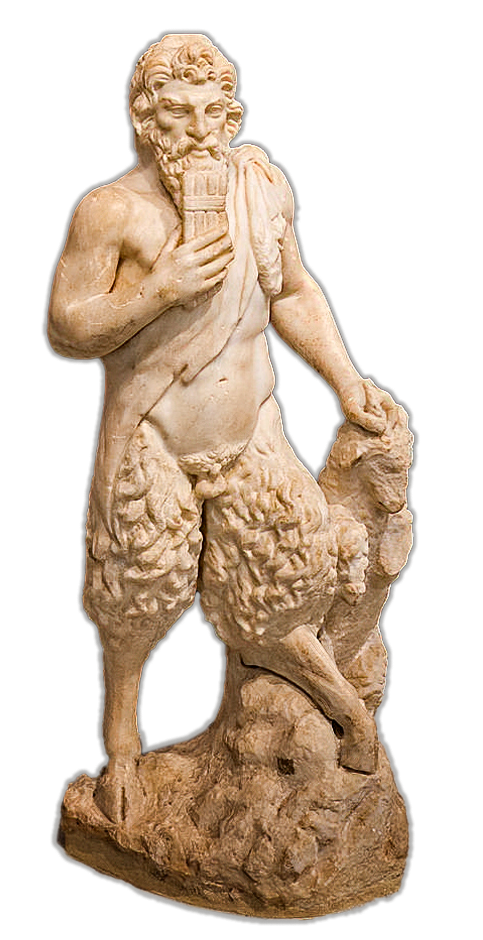
Roman statue of Pan from Argyroupoli (ancient Lappa), 2nd century CE (Archaeological Museum of Heraklion) (Source: https://ancientimes.blogspot.com/2020/12/pan-purveyor-of-music-and-panic.html )
The pan flute has a simple construction: it consists of a set of connected pipes, each closed at the lower end with a plug, which produce sound when air is directed across the upper openings. Traditionally, these pipes were most often made of reed or reed-like plants (lakashi, leli), although examples made of bone, clay, metal, and wood are also found. Owing to its structural simplicity, some scholars consider the pan flute to be one of the earliest forms of wind instruments.
However, the origin of the pan flute cannot be attributed to a single region, as it appears independently in a wide range of cultural contexts across the world. Its geographical distribution spans South America (the equatorial regions of Brazil, Bolivia, and Peru), Oceania (Western Polynesia and Melanesia), East Asia (China and Southeast Asia, including Laos, Thailand, Vietnam, and Indonesia), Africa (countries of Central and East Africa), and Europe (Romania, Moldova, Greece, Ukraine, and western Russia), including western Georgia.
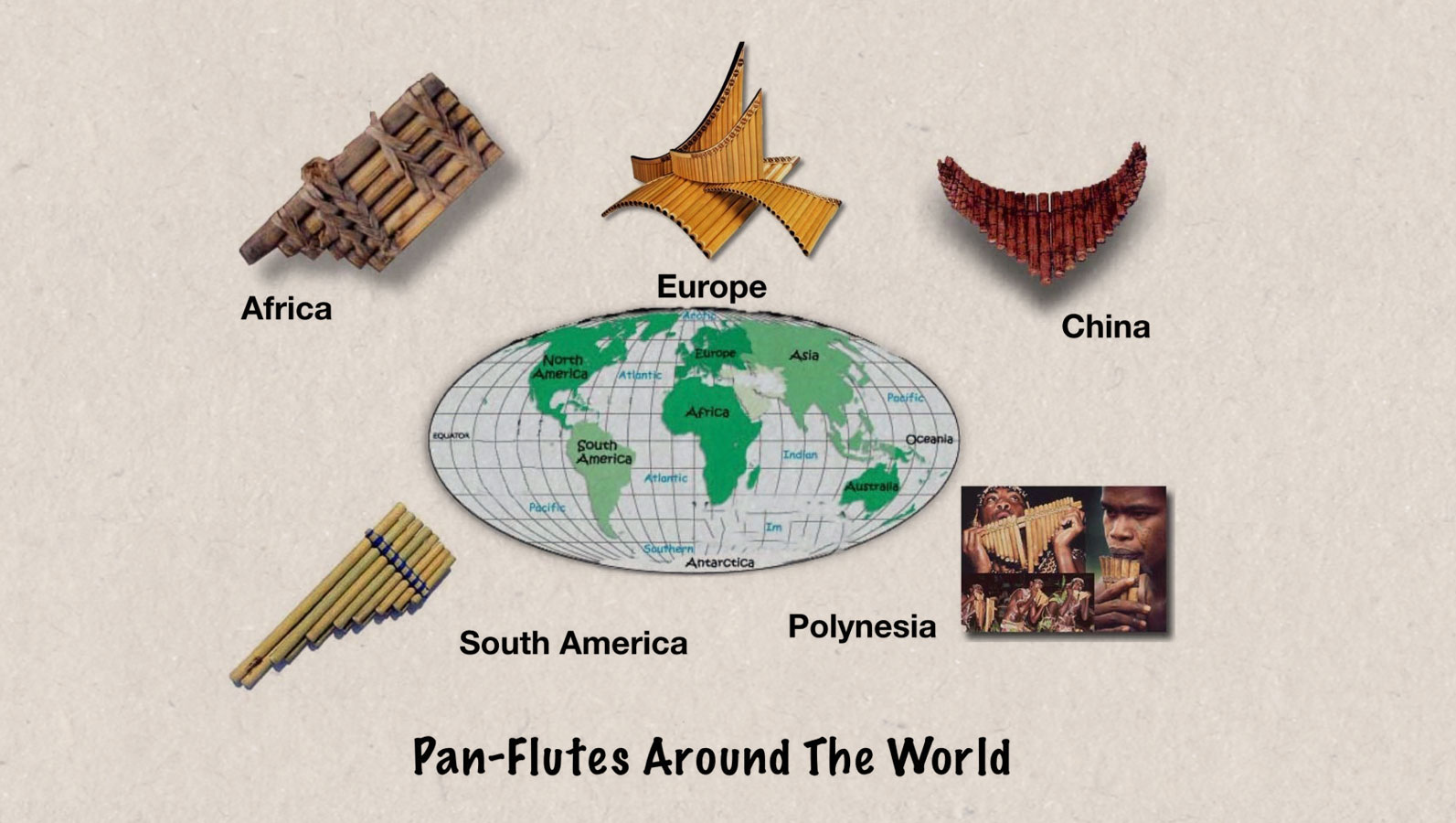 Distribution of the pan flute across the world (Source: https://panflute.net/history-of-the-panflute.html )
Despite this shared structural principle, pan flutes from different regions vary both in the number of pipes and in their pitch organisation. This diversity reflects the musical requirements of the respective cultures, each of which has shaped the instrument’s distinctive sound and character. Within this diverse landscape, the Georgian pan flute stands out both in form and in performance technique: whereas in most traditions the pipes are arranged in a unidirectional ascending sequence and produce single tones, in Georgia the instrument developed a six-pipe[2] structure arranged in a bidirectionally ascending order. This configuration allows for the simultaneous sounding of two adjacent pipes, producing two-part (third-based) harmonic intervals within a single instrument.[3]
|
Larchemi made by traditional bearer Dzokia Aronia (1878–1962) during the 1959 expedition. Material: reed. Held in the Folk Music Laboratory of the Tbilisi State Conservatoire |
Soinari made by traditional bearer Varden Meparishvili (1877–1969). Material: reed. Preserved in the family collection of his descendants |
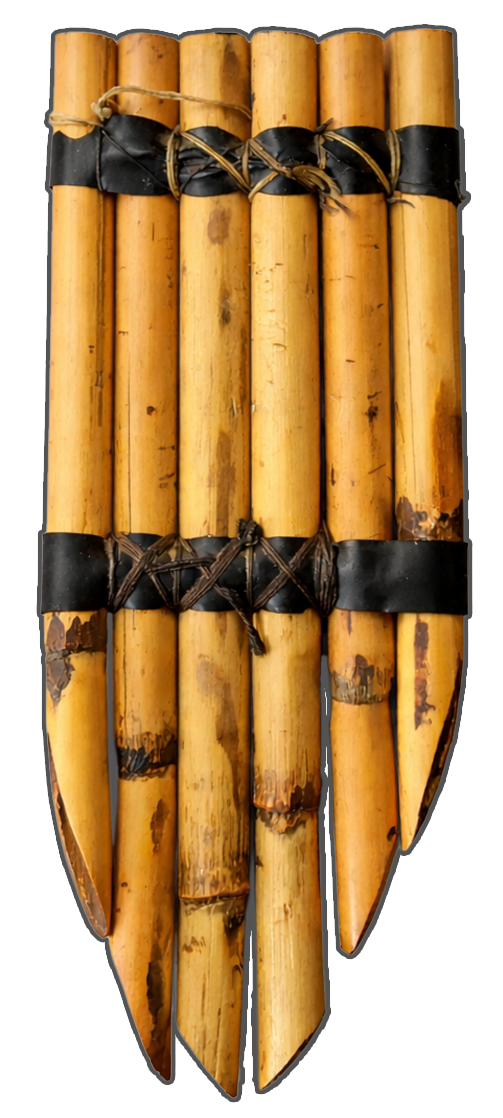
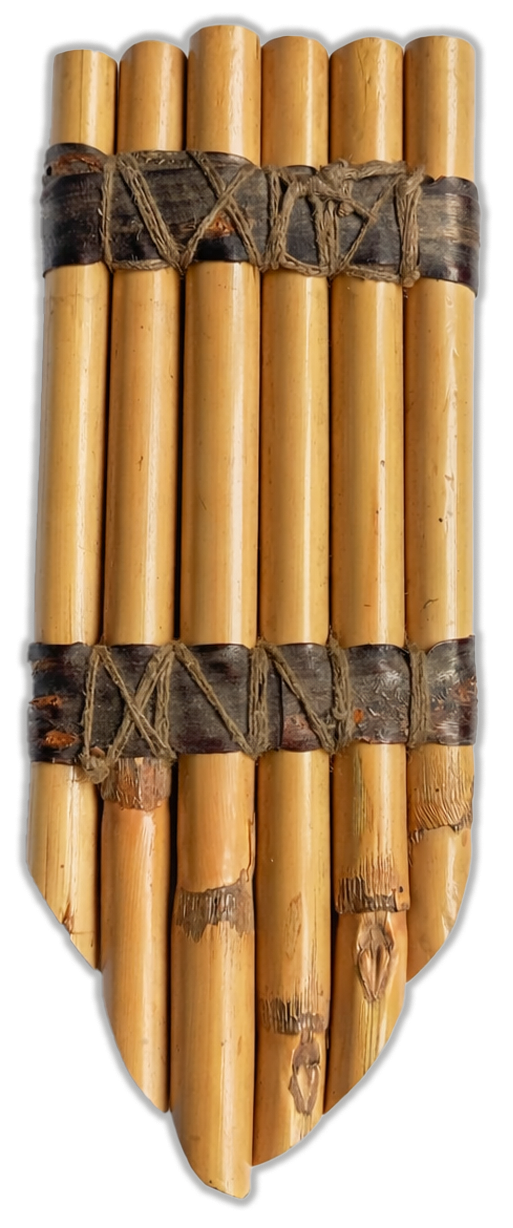
The Georgian pan flute survived in the musical practice of two neighbouring regions of western Georgia—Guria and Samegrelo—until the mid-twentieth century,[4] and was known under different names: in Guria as the soinari (the etymology of which some scholars associate with the Greek language),[5] and in Samegrelo as the larchemi. According to the lexicographical entry of the National Library, the term larchemi is etymologically linked to “reed”[6], although Makalatia distinguishes between larchemi and reed, describing them as similar yet distinct plants.[7] Unfortunately, the living tradition of the larchemi-soinari has today been interrupted; it has disappeared from everyday folk practice and has not been established on the stage. The last performers are believed to have died around the mid-twentieth century.
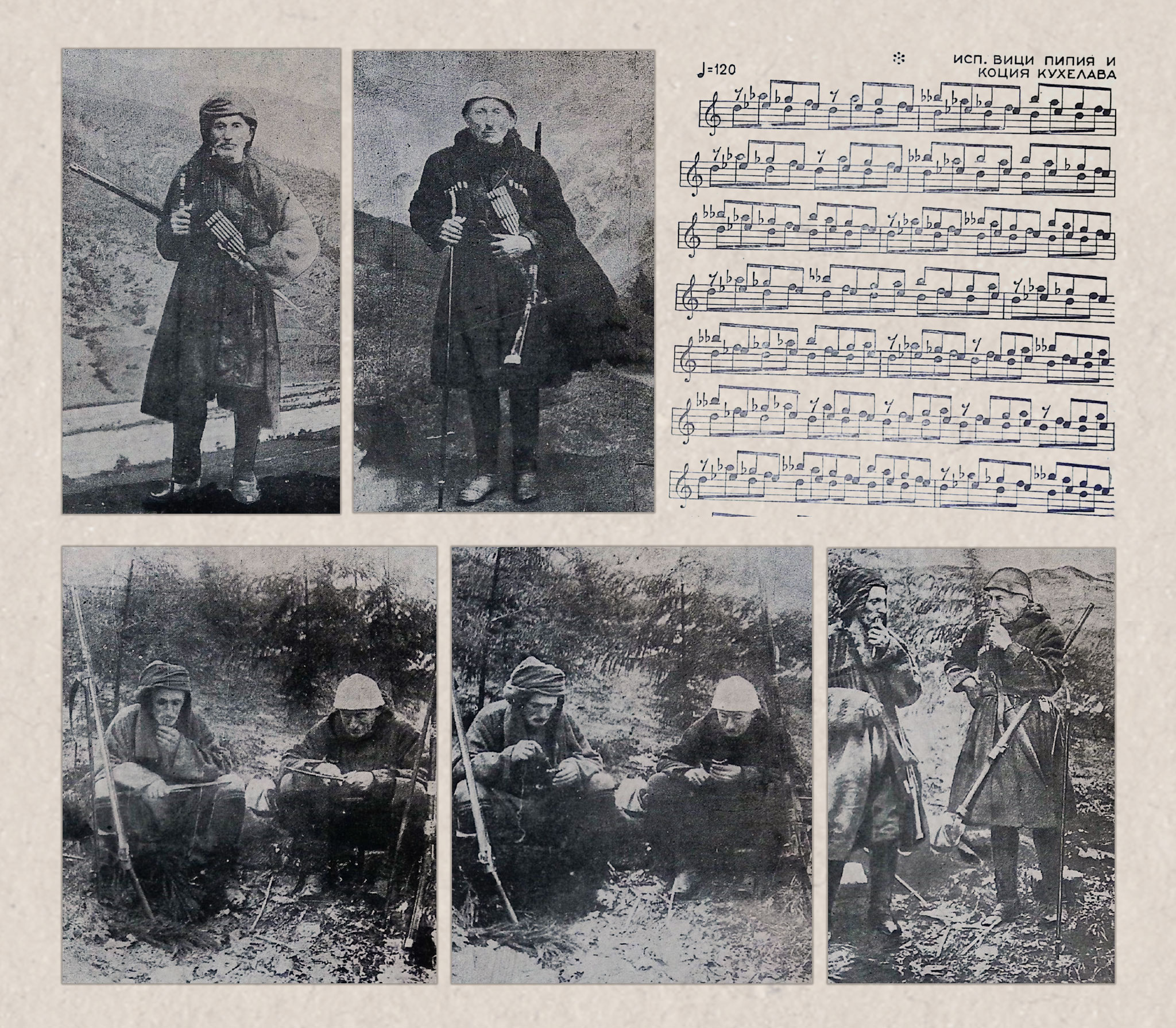
The making and performance of the larchemi, documented by Steshenko-Kuftina, performed by Vitsi Pipia and Kotsia Kukhilava
However, thanks to the efforts of researchers, significant material on the musical culture of the larchemi-soinari has nevertheless been preserved. In 1931, Shalva Mshvelidze[8] recorded on wax cylinders Varden Meparishvili, one of the last performers of the soinari. In 1934–35, Steshenko-Kuftina carried out special expeditions aimed at studying the Georgian pan flute—collecting ethnographic information, documenting melodies, and recording the last performers, Vasil Guluа and Vitsi Pipia; she also dedicated a separate study to the materials she had gathered.[9] In addition, in Sergi Makalatia’s 1941 publication,[10] the existing data on the larchemi was supplemented with further ethnographic evidence.
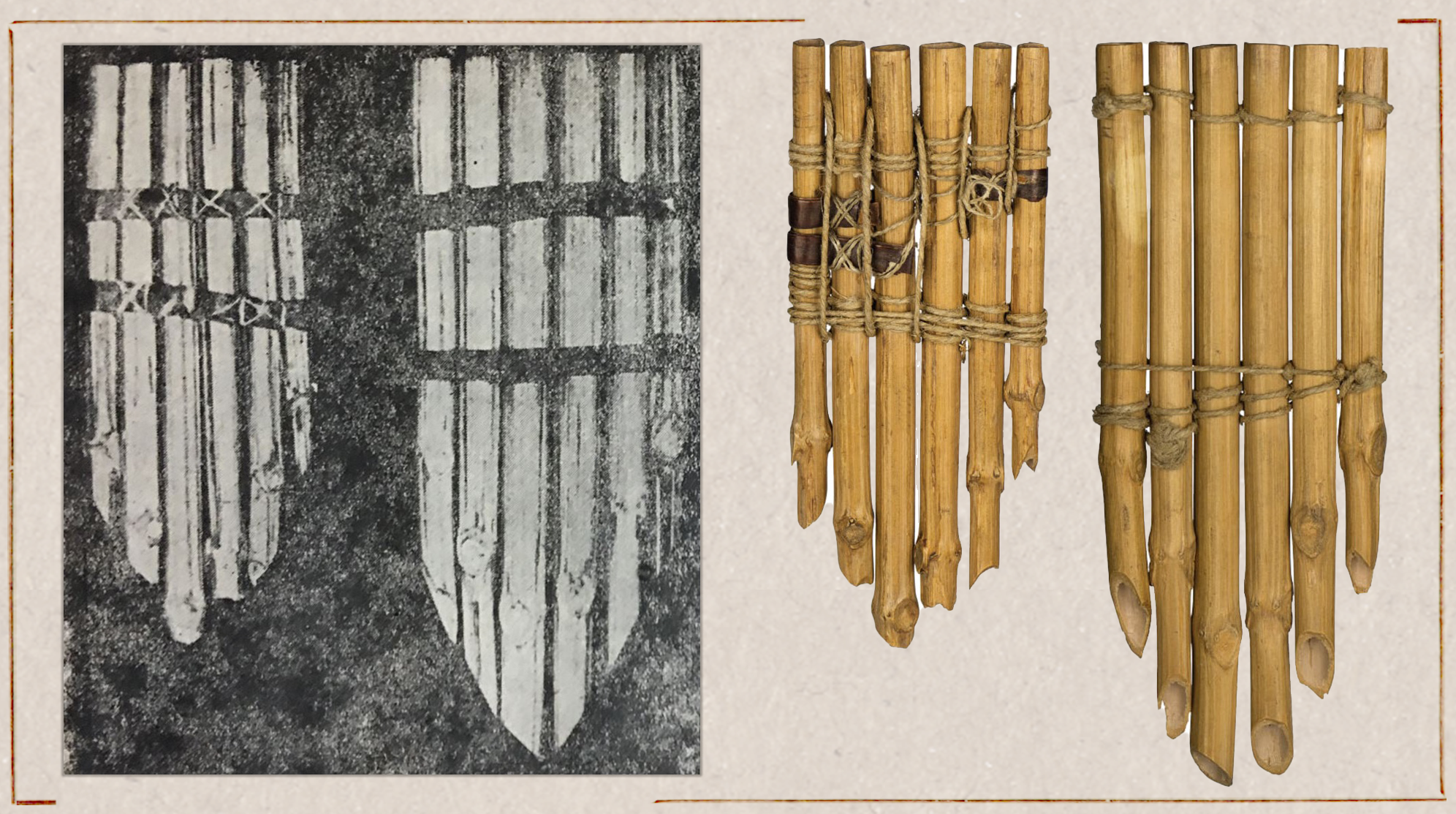
Larchemis made by Vitsi Pipia from the plant “larchama,”[11] recorded during Steshenko-Kuftina’s 1934 expedition. Left: photograph published in her 1935 book;[12] right: the same instruments in their 2019 condition (Source: Catalogue of Georgian Folk Song and Musical Instruments, State Museum of Georgian Folk Song and Musical Instruments, Tbilisi, 2019, pp. 144–145)
Later, in 1958–59, during special expeditions, Kakhi Rosebashvili recorded melodies performed by the already elderly soinari performer Varden Meparishvili, as well as instrumental pieces on the larchemi performed by Gera and Grigol Kukhilava, along with their unique “nirzi,”[13] and also melodies rendered by Dzokia Aronia through vocal calls.[14] It is noteworthy that by that time the instrument had been so thoroughly forgotten that even the performers themselves (Varden Meparishvili[15] and Dzokia Aronia[16]) no longer possessed it, and therefore made and played it during the expedition itself. Today, discussion of the Georgian pan flute—the larchemi-soinari—is based precisely on these fragmentarily preserved field and archival materials.
Soinari performer Varden Meparishvili (1877–1969)[17]
It is, unfortunately, impossible to determine with certainty when the Georgian pan flute first appeared on the territory of Georgia, due to the absence of both material and written sources. In written sources, the earliest known reference to the soinari is found in the dictionary of Sulkhan-Saba Orbeliani, where it is defined as: “pipes bound together in a coordinated arrangement”[18]. Some scholars draw attention to visual and terminological parallels; for example, Kakhi Rosebashvili[19] refers to a Hittite bas-relief depicting a six-pipe instrument, which he considers a possible analogue of the larchemi-soinari. Within the same context, there is also a view in the literature that the term “soinari” may be connected to the ancient Greek term “σύριγξ” (syrinx).
Dzokia Aronia’s melodies on the larchemi – 1958[20]
The mention of the soinari in Sulkhan-Saba’s dictionary, the visual parallel identified in a Hittite bas-relief, and the terminological hypothesis linking the term to the Greek σῦριγξ allow us to hypothesise certain contacts between the Georgian pan flute and the cultural worlds of Asia Minor and ancient Greece. At the same time, the melodies performed on the larchemi-soinari developed independently and did not merge with the Georgian vocal repertoire.
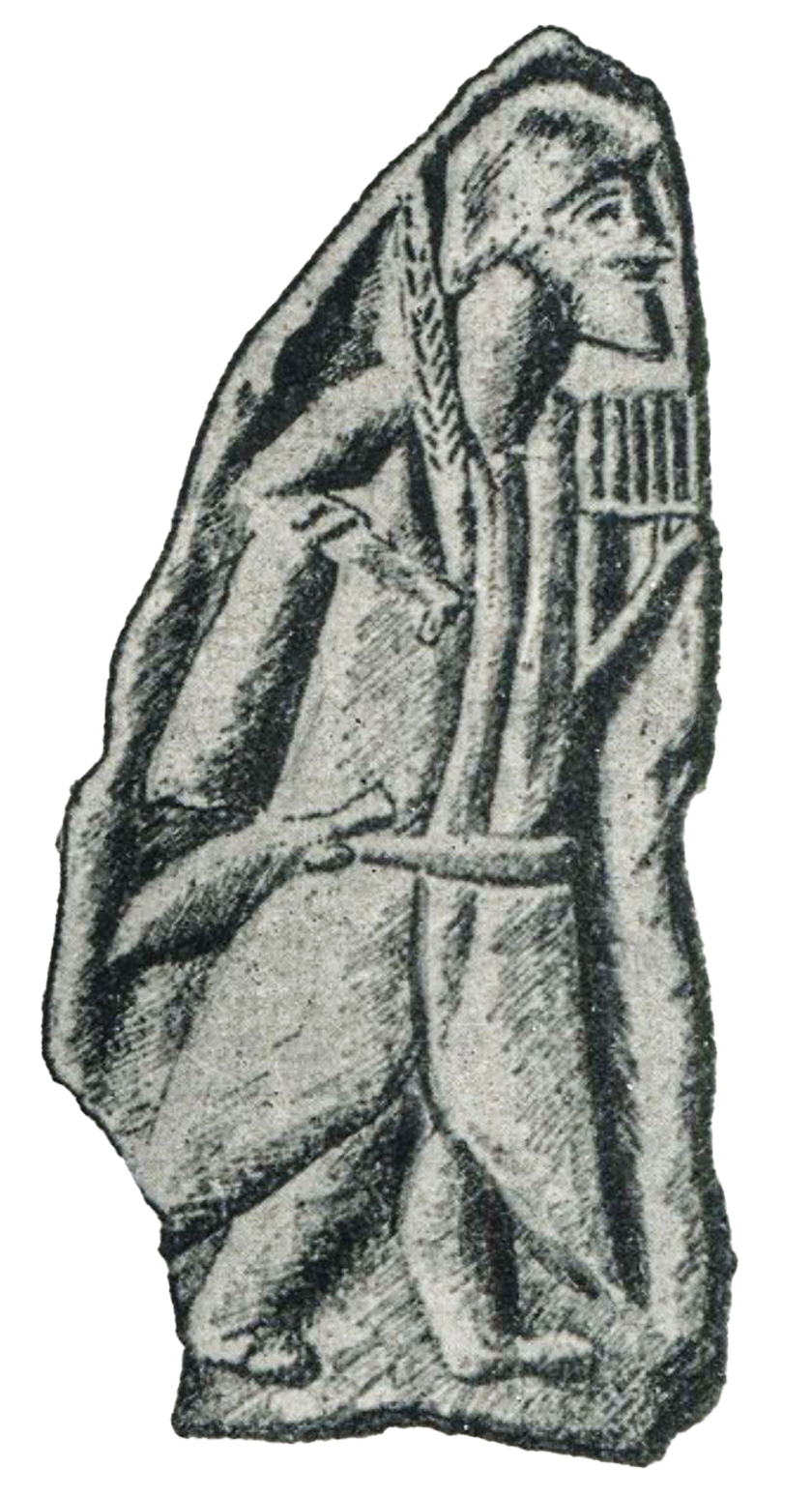
Hittite bas-relief depicting a multi-pipe flute[21]
Functions and Social Context of the Larchemi–Soinari
Playing the larchemi-soinari permeated nearly all spheres of everyday life. It served as a companion to hunters and often fulfilled a signalling function when leaving the village, calling dogs, or luring birds. Its melodies were also used to soothe the sick, and it was played during breaks in fieldwork while hoeing the land, particularly at the stage when young maize shoots were forming husks. Performers also competed with one another (performing the “nirzi”), and it was also played at weddings and various festive occasions.[22]
This functional diversity of the larchemi-soinari reveals parallels with the global heritage of the pan flute. Below I examine its pastoral and ritual-magical functions and their analogues in other cultures.
The larchemi-soinari was, above all, a pastoral instrument with a clear practical function in herding livestock. Each stage of pasture growth was associated with a corresponding melody. According to the ethnophore Dzokia Aronia, livestock grazed more effectively when hearing the sound of the larchemi.[23] In this context, it is logical to draw a parallel with the Greek god Pan, who was regarded as the protector of shepherds and their herds. Historically, the Greek pan flute was likewise used by shepherds for precisely this purpose.
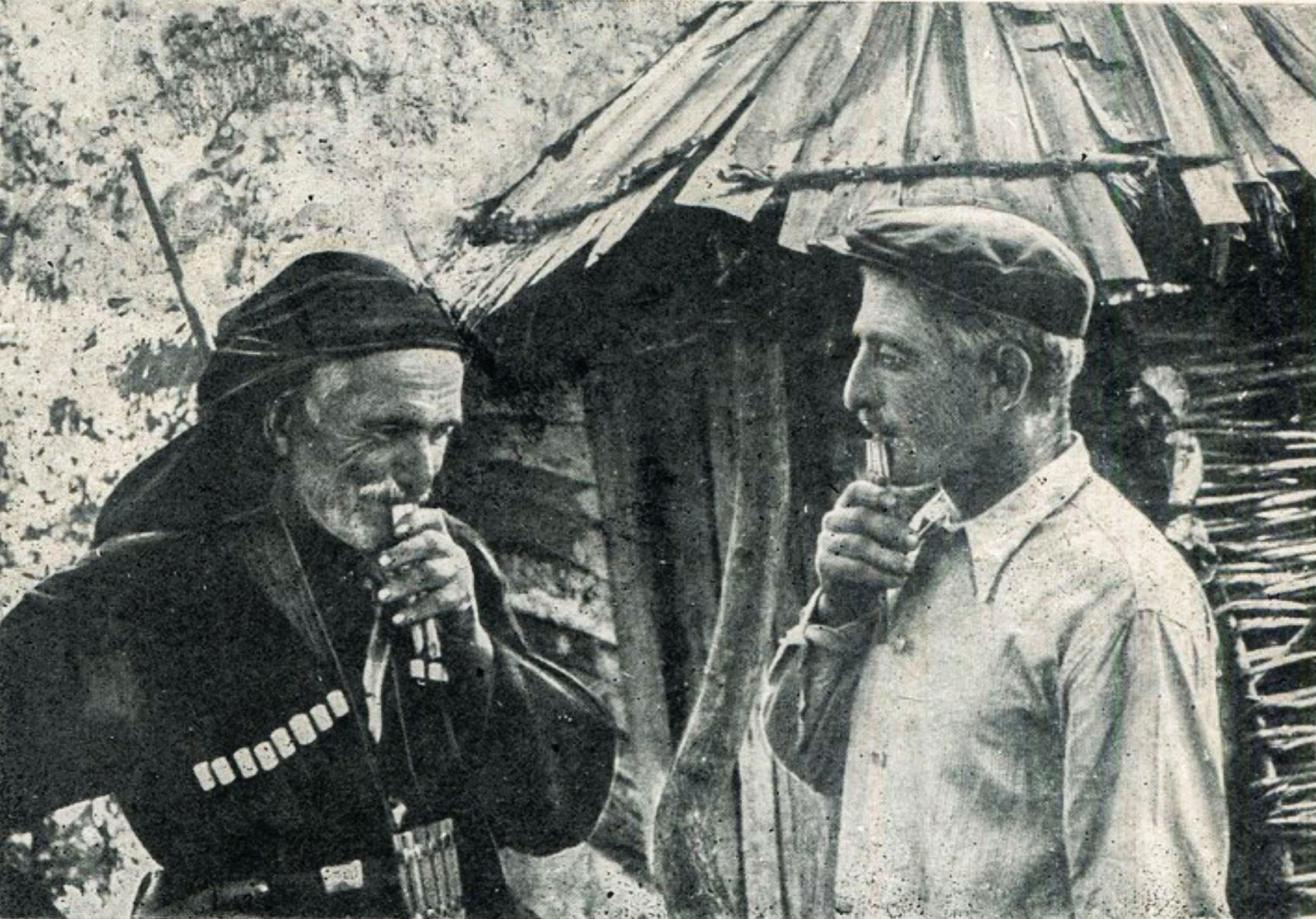
Gela and Grigol Kukhilava performing “nirzi,” Chkvaleri (Tsalenjikha municipality). From Kakhi Rosebashvili’s 1958 expedition[24]
At the same time, the larchemi-soinari also preserves traces of ancient ritual-magical functions, revealing its cultic, healing, and productive-magical significance. According to materials collected by Steshenko-Kuftina, in the village of Chkvaleri, on Maundy Thursday,[25] at night after the liturgy, the larchemi was played during a procession alongside the daira and a wooden horn. In 1887, in the same village, an instance was recorded in which, during a solar eclipse, collective performance on the larchemi began as a means of “fighting evil forces” and saving the sun.[26]
Kakhi Rosebashvili also documented accounts of the larchemi being used in the ritual of “farewell to the soul,” in which the sound of the instrument was regarded as an analogue of the soul of the deceased, while the instrument itself was seen as a means of summoning or bidding farewell to the soul.[27] The larchemi was likewise used for healing purposes, in order to calm the sick.[28]
The soinari was often played during night journeys. In this context, of particular interest is the interpretation proposed by Steshenko-Kuftina, who compares nocturnal performance on the soinari with certain religious beliefs of ancient Greece. In her view, playing during the daytime was avoided so as not to awaken Pan, which may be regarded as a form of time-related taboo.
Reconstruction, based on Steshenko-Kuftina’s musical transcriptions,[29] of the “nirzi” performed as a duet by Vitsi Pipia and Kotsia Kukhilava
Similar religious and symbolic functions of the pan flute are also attested in other cultures. In the Andean region of South America, the ritual use of the instrument is documented in both ethnographic and visual sources, including archaeological depictions.[30] In Chinese tradition, a pan-flute-type instrument, the paixiao, formed part of ancient ritual orchestras and played an important role in ceremonial musical practice.[31] In numerous cultures of Oceania as well, similar instruments were used in ceremonial and communal rituals.[32]
|
Statue of a paixiao player from the tomb of Fu Hao (殷墟, Shang dynasty, Henan), 13th century BCE |
Bone paixiao, Early Western Zhou period, Changzikou Tomb, Henan Province, 11th–10th centuries BCE (Source: https://www.chnmus.net/ch/collection/appraise/details.html?id=512156636602363570 ) |
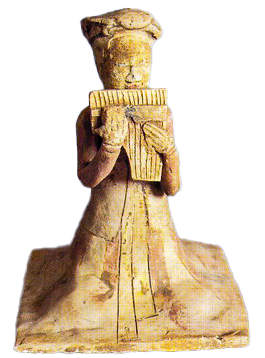
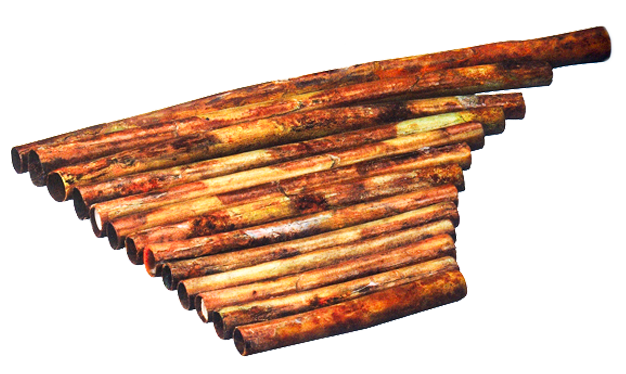
Thus, the larchemi-soinari is not merely a local Georgian phenomenon. It forms part of a broader global cultural sphere in which pan-flute-type instruments function as expressive media for the relationship between human beings, nature, and the supernatural world.
Reconstruction of a bone paixiao discovered in the Changzikou Tomb
Although the pan flute has such universal mythological and ritual roots, its historical trajectory has developed differently across regions. In Romania and Moldova, the instrument (nai) moved beyond its folkloric framework and became established as an academic instrument. In the 20th and 21st centuries, it was integrated into professional concert practice and is actively used in both academic and hybrid repertoires.
Gheorghe Zamfir, Romanian virtuoso of the pan flute (nai), often referred to as the “King of the Pan Flute,” who brought the instrument to the world stage
In South America and Melanesia, the pan flute remains part of everyday life to this day and continues to preserve its original ritual function. In many other regions, however, cultural change has displaced the instrument from daily practice. In Greece, it survives mainly as a mythological symbol, while in China it has remained primarily an object of academic, scholarly, and museological interest.
Pan flute ensemble performers from the Malaita region, Solomon Islands
In this context, the fate of the Georgian larchemi-soinari is particularly dramatic: it lost its original everyday function, never managed to establish itself on the academic stage, and ultimately fell into oblivion. Despite the efforts of individual enthusiasts, the larchemi-soinari remains a museum artefact.
It is my view that the collection and study of the last surviving traces of the larchemi-soinari is important both in the context of Georgian culture and within the broader framework of world heritage studies. Research into the Georgian pan flute (larchemi-soinari) allows us to better understand the place of such instruments within the global map of traditional instrumental culture and within Georgian tradition itself.
[1] In Greek — σῦριγξ (syrinx); “pan flute” (Pan flute / Panflöte / flûte de Pan) is its later Latin-European name.
[2] However, as Sergi Makalatia notes, “in Samegrelo the six-piped larchemi was common in mountainous areas, while in the lowlands, in the Khobi district, the [unidirectionally ascending] five-piped one was used.” Ibid. In the footnote, he indicates that Steshenko-Kuftina was unaware of the existence of the five-piped larchemi and discusses only the six-piped larchemi (soinari). Unfortunately, no melodies performed on the five-piped larchemi have survived. See: Makalatia, Sergi. 1941. History and Ethnography of Samegrelo. Tbilisi: Society for the Study of Georgia’s Regions, pp. 256–257.
[3] Steshenko-Kuftina, V. K. 1936. The Oldest Instrumental Foundations of Georgian Folk Music. Part I, The Pan Salamuri. Tiflis: State Museum of Georgia, p. 208.
[4] According to Kakhi Rosebashvili: “[The Georgian multi-piped salamuri]… was widespread in Abkhazia and in southern Imereti, bordering Guria. According to the Laz scholar Iskander Tsitashi, a multi-piped salamuri called ostvinoni was widely used among the Laz.” See: Rosebashvili, Kakhi. 1960. Megrelian Larchemi, Soviet Art, No. 7, pp. 49–52. Tbilisi: Soviet Georgia, p. 49.
[5] See the lexicographical entry Larchemi of the National Parliamentary Library of Georgia, in which the name “soinari,” used in Guria, is linked to a Greek word (https://www.nplg.gov.ge/wikidict/index.php/ლარჭემი).
[6] National Parliamentary Library of Georgia (NPLG). Larchemi. Lexicographical entry. https://www.nplg.gov.ge/wikidict/index.php/ლარჭემი (accessed February 27, 2026).
[7] Makalatia, Sergi. 1941. History and Ethnography of Samegrelo. Tbilisi: Society for the Study of Georgia’s Regions, p. 256.
[8] Voices from the Past — Georgian Folk Music from Phonograph Wax Cylinders. 2008. Tbilisi.
[9] Steshenko-Kuftina 1936.
[10] Makalatia 1941, pp. 255–259
[12] Steshenko-Kuftina 1936, p. 164
[13] Nirzi (Megrelian, meaning contest, wager) — a “nirzi,” in which two larchemi players competed with one another in endurance and mastery of performance. It is notable that K. Rosebashvili discusses the tradition of nirzi in the context of ensemble performance, noting: “No memory remains in Samegrelo of the larchemi being combined in ensemble with any other instrument. Only one type of ensemble performance on the larchemi exists — the so-called ‘nirzi.’” (Rosebashvili, Kakhi. 1960. Megrelian Larchemi, Soviet Art, No. 7, pp. 49–52. Tbilisi: Soviet Georgia, p. 51).
[14] Makalatia notes that sometimes, while playing the larchemi, performers would also sing through the nose (Makalatia 1941, p. 258).
[15] Source: interview with Khatuna Sikharulidze, granddaughter of Varden Meparishvili.
[16] Source: interview with Avrora Aronia, granddaughter of Dzokia Aronia, who personally attended Kakhi Rosebashvili’s expedition.
[17] Voices from the Past – Georgian Folk Music from Phonograph Wax Cylinders. 2006. Tbilisi: State Museum of Cinema, Theatre, Music and Choreography; Ministry of Culture, Monument Protection and Sport of Georgia; Tbilisi State Conservatoire.
[18] Orbeliani, Sulkhan-Saba. 1949. A Georgian Dictionary [Sitkvis Kona Kartuli]. Ed. S. Iordanishvili. Tbilisi: State Publishing House of the Georgian SSR, p. 619.
[19] Rosebashvili 1960, p. 51.
[20] Georgian Folk Music – Western Georgia. Tbilisi V. Sarajishvili State Conservatoire, Department of Georgian Folk Musical Creativity, 2007.
[21] Rosebashvili 1960, p. 54.
[22] Steshenko-Kuftina 1936, p. 215.
[23] Rosebashvili 1960, p. 51.
[24] Ibid., p. 52.
[25] Steshenko-Kuftina 1936, p. 210.
[26] Ibid., p. 211.
[27] Rosebashvili 1960, p. 51.
[28] Steshenko-Kuftina 1936, p. 215.
[29] Ibid., p. 275.
[30] Museo Larco. n.d. Musician Playing Panpipes. In Ritual Warfare and Music, online exhibition. Accessed March 20, 2026. https://www.museolarco.org/en/exhibition/permanent-exhibition/online-exhibition/ritual-warfare-and-music/musician-playing-panpipes/
[31] Paixiao. Encyclopaedia Britannica. Britannica Editors. https://www.britannica.com/art/paixiao (accessed February 27, 2026).
[32] Kjellgren, Eric. Musical Instruments of Oceania. In Heilbrunn Timeline of Art History. New York: The Metropolitan Museum of Art, 2000–. http://www.metmuseum.org/toah/hd/muoc/hd_muoc.htm (January 2010).